Nation Continuity Editorial Desk
The NATION CONTINUITY Editorial Desk produces AI-assisted editorial content — research, drafting and media generated under the publication's source, quality and discovery standards, then reviewed before publication.
Published Work

The Architecture of Memory: Safeguarding Intangible Heritage in China
China's legislative approach to intangible cultural heritage seeks to formalize the preservation of diverse traditions while navigating the inherent volatility of living practices.
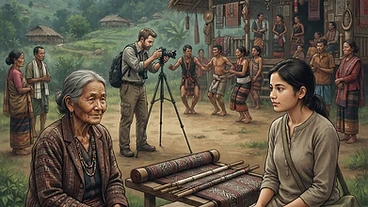
Preserving the Tapestry: Documentation of Indigenous Cultural Heritage in India
This report examines the North-East India Documentation Project and the Adi Drishya Programme, detailing how state-led efforts record the living, evolving heritage of tribal groups.
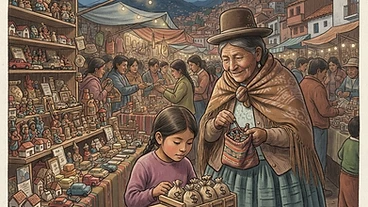
Tiny Ambitions: The Evolution of La Paz’s Alasita Festival
Alasita, a recognized UNESCO intangible cultural heritage, transforms the streets of La Paz into a marketplace of miniature dreams and ancestral blessings.
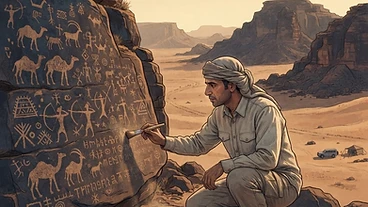
Echoes in Stone: The Ḥimā Cultural Area and Saudi Arabia's Deep History
The Ḥimā Cultural Area offers a profound glimpse into 7,000 years of human history, documenting how ancient societies interacted with their changing landscapes.
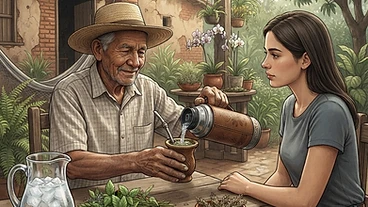
The Living Ritual of Tereré: Ancestral Knowledge in Paraguay
The preparation of Tereré serves as more than a simple refreshment; it is a vital social practice rooted in the ancestral Guaraní culture of Paraguay. This ritual preserves specialized knowledge of medicinal herbs, strengthening communal bonds across generations.

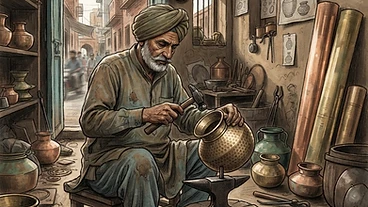
The Resilient Echo of the Hammer: Thatheras of Jandiala Guru
Discover the intricate metalworking techniques of the Thatheras of Jandiala Guru, a community dedicated to sustaining their ancestral craft against the backdrop of modern industrialization.

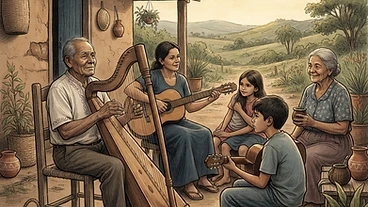
The Guarania: A Living Echo of the Paraguayan Spirit
The Guarania represents a unique synthesis of indigenous linguistic heritage and syncopated musical rhythms. It continues to act as a vital social thread in the daily experiences of Paraguayan families and communities.
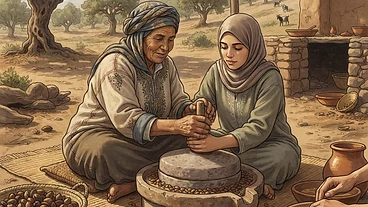
The Living Heritage of Argan: Sustaining Knowledge in the Arganeraie
Argan oil production remains a vital cultural practice in southwestern Morocco. Women in the Arganeraie Biosphere Reserve pass down traditional extraction methods through imitation and non-formal education.

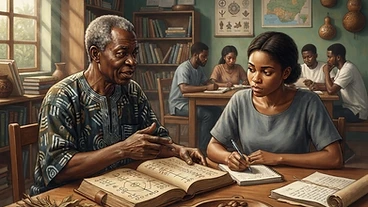
Preserving the Wisdom of the Ifa Corpus
To ensure the continuity of the Ifa Divination system, practitioners are establishing dedicated schools to pass down centuries of Yoruba philosophy and botanical knowledge.

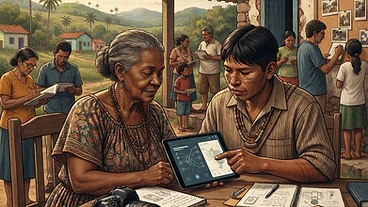
Echoes of Resilience: Mapping Brazil’s Living Traditions
Brazil's intangible cultural heritage is being fortified through community-led inventory initiatives that prioritize local voices in the preservation of artistic practices. By placing documentation tools in the hands of practitioners, these regions are safeguarding their unique cultural landscapes.

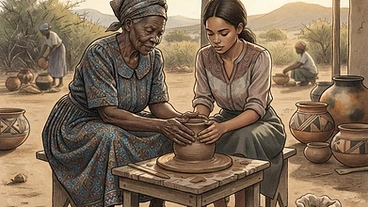
Echoes of the Clay: Preserving the Pottery Traditions of the Bakgatla ba Kgafela
Earthenware pottery-making among the Bakgatla ba Kgafela is a living tradition defined by intergenerational apprenticeship. As the number of master practitioners dwindles, formal efforts are underway to safeguard these vital artistic practices.

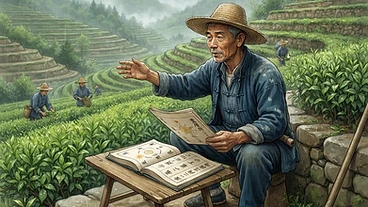
Mapping the Sun: The Living Legacy of the Twenty-Four Solar Terms
Developed through centuries of solar observation, the Twenty-Four Solar Terms remain a vital tool for organizing agricultural tasks and seasonal festivals. This traditional knowledge system persists as a dynamic element of contemporary heritage.

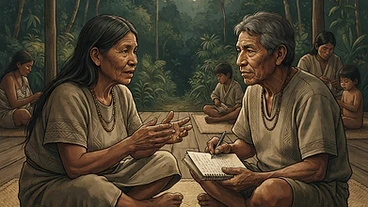
Echoes of the Amazon: The Zápara Struggle for Linguistic Sovereignty
The Zápara people are safeguarding their oral traditions and language, which face existential threats in the Amazon basin. Their efforts highlight the resilience of cultural memory in the face of geographic and social pressures.

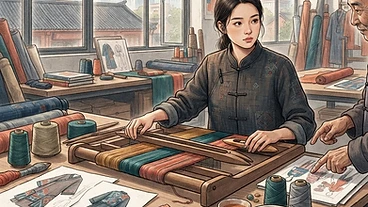
Weaving the Future: China’s New Wave of Heritage Design
Young designers are reimagining traditional Chinese crafts through modern color palettes and sustainable materials, proving that heritage is a living, breathing practice.

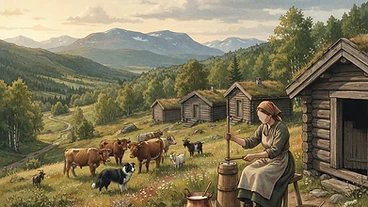
Summer Farming: The Living Heritage of Fäbod and Seter
Summer farming at fäbod and seter is a resilient practice of transhumance that blends animal husbandry with a rich tapestry of oral traditions and sensory heritage.

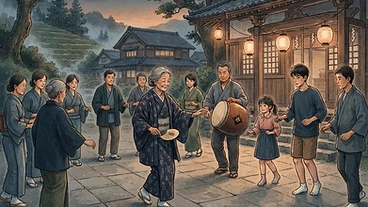
The Rhythms of Resonance: Furyu-odori and Japanese Community Life
Furyu-odori represents a collection of diverse ritual dances that act as a bridge between generations, fostering local identity through shared movement and song.

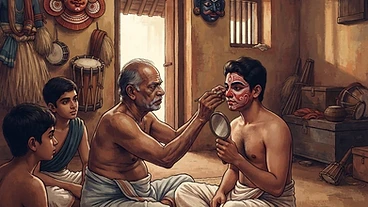
The Living Rituals of Mudiyettu: Safeguarding Kerala's Performance Heritage
Mudiyettu is a traditional ritual theatre and dance drama practiced in Kerala, depicting the mythological struggle between Bhadrakali and the demon Darika. It serves as a vital example of how intangible heritage is actively maintained through rigorous training and community participation.

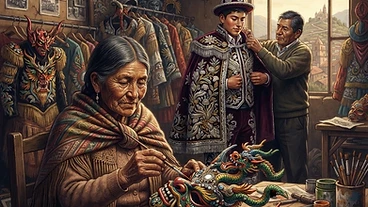
The Living Tapestry of the Carnival of Oruro
The Carnival of Oruro stands as a vibrant testament to Andean cultural survival, where centuries of artistic tradition blend indigenous cosmology with historical influences.

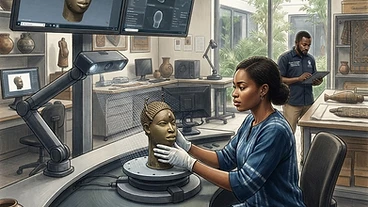
Digital Transformation: Nigeria’s New Frontier for Heritage Preservation
Nigeria has officially shifted toward a digital-first strategy for cultural preservation with the launch of the National Commission for Museums and Monuments (NCMM) Digital Museum.

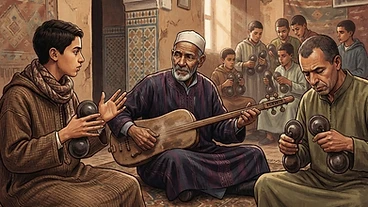
The Resonant Evolution of Gnawa Musical Heritage in Morocco
Gnawa music, a practice rooted in the 16th century, continues to transform through its therapeutic rituals and growing community of master musicians.

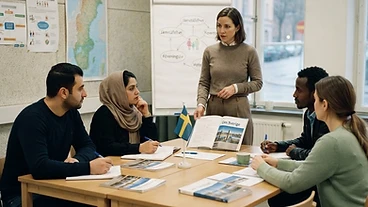
The Architecture of Belonging: How Swedish Civic Orientation Constructs the 'Good Citizen'
Sweden's mandatory 100-hour civic orientation program for migrants functions as a pedagogical tool, shaping the 'good citizen' through state-sanctioned narratives of progress, gender equality, and historical identity.

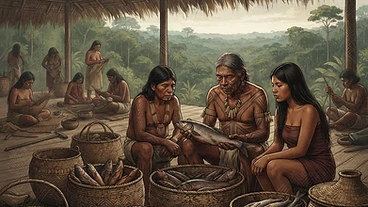
Safeguarding the Yaokwa: The Enawene Nawe Ritual Cycle
The Yaokwa, a seasonal ritual cycle of the Enawene Nawe people in Brazil, connects social life to cosmic rhythms through fish exchange, though it faces modern environmental threats.

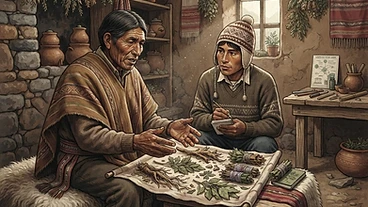
Healing Traditions: The Kallawaya of the Andes
The Kallawaya people maintain a sophisticated system of traditional medicine through oral history and botanical expertise, supported by modern UNESCO-backed safeguarding efforts.

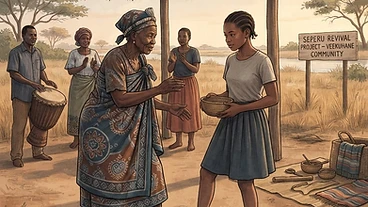
Reviving the Rhythm: Safeguarding Seperu in Chobe
The Seperu folk dance, a vital cultural expression of the Veekuhane people, is undergoing a major revitalization project supported by UNESCO to ensure its survival for future generations.


The Surplus Era Ends: Mapping Sweden’s Transition to a Balanced Budget
Sweden is set to abandon its multi-decade surplus target in 2027, transitioning to a balanced budget as the government addresses mounting demographic and environmental spending needs. This shift marks a major evolution in the nation's fiscal philosophy.

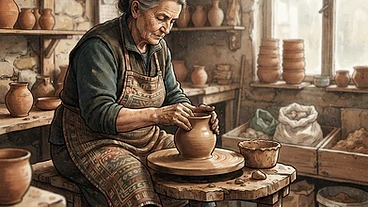
The Resilient Craft of Zlakusa Pottery
Zlakusa pottery represents a vital intersection of traditional craftsmanship and modern functionality. Through the use of a manual wheel and specific raw materials, this practice continues to evolve within contemporary Serbian cultural life.

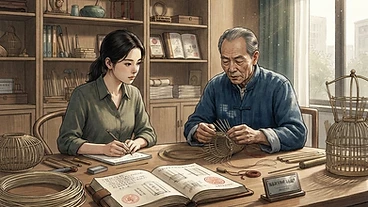
Legislating Living Traditions: The Evolution of China’s Intangible Cultural Heritage
China continues to formalize its approach to intangible cultural heritage through the 2011 national law and active international collaboration. This framework supports thousands of inheritors who sustain the country's diverse living traditions.

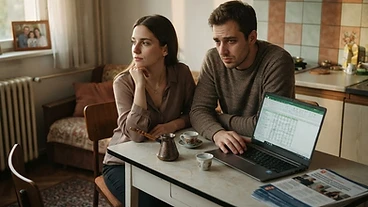
The Parenthood Paradox: Mapping the Gap Between Serbian Aspirations and Reality
Data from the UNDP and UNFPA reveals a stark disconnect between the fertility desires of young Serbians and the structural economic barriers preventing family formation.

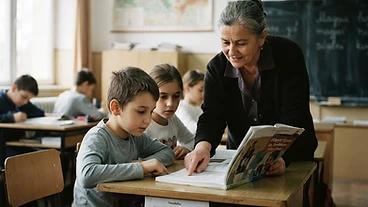
The Two-Hour Threshold: Evaluating Serbia’s Minority Language Education Policy
Serbia's reliance on a two-hour weekly model for minority language instruction falls short of European benchmarks for communicative competence.

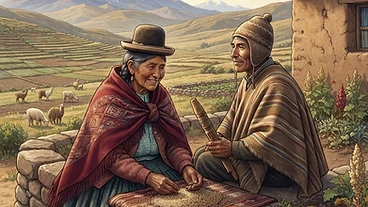
Suma Qamaña: The Aymara Path to Living Well
This exploration details the Suma Qamaña philosophy, highlighting how Aymara communities across Bolivia, Chile, and Peru preserve their intangible cultural heritage.

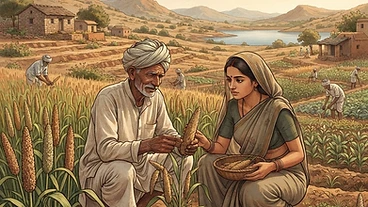
Resilient Grains: The Revival of Traditional Millet Farming in India
A shift toward traditional millet cultivation is helping Indian farmers combat climate uncertainty while preserving vital agricultural knowledge for future generations.

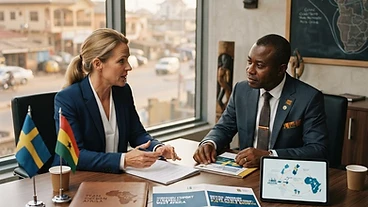
The Great Decoupling: Mapping Sweden’s Shift from Aid-Centric to Trade-First Africa Policy
Sweden is recalibrating its African foreign policy, shifting from unconditional humanitarian aid to a trade-first 'Team Sweden' model that prioritizes export interests and strategic migration management.

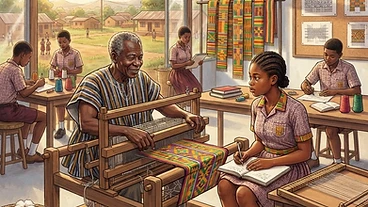
The Loom of Continuity: Weaving Kente into Ghana’s Future
Kente, Ghana's iconic textile, is being preserved through a dynamic blend of traditional village-based apprenticeships and integration into the national school curriculum. This synthesis ensures that the intricate art of the horizontal loom remains a living, evolving heritage.

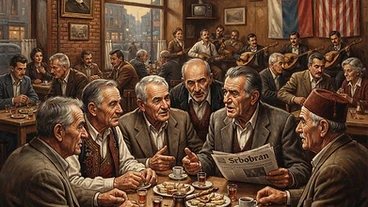
The Kafana Diplomacy: How Serbian Fraternal Societies Built a Transatlantic Bridge
This exploration details how Serbian fraternal organizations in the United States functioned as vital diplomatic and social infrastructure for the homeland.

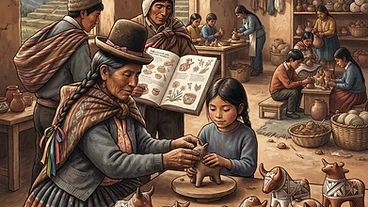
Weaving Clay and Language: Revitalizing Checca Pupuja Ceramics
The peasant community of Checca Pupuja is securing its ceramic heritage by integrating traditional knowledge into local schools via Quechua and Spanish pedagogical guides.

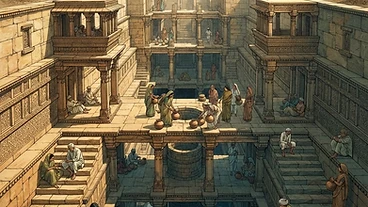
Subterranean Ingenuity: The Enduring Legacy of Indian Stepwells
Stepwells in semi-arid Indian regions represent a sophisticated intersection of artistic expression and essential water management. These structures have long served as both utility hubs and cultural gathering points.

The 1% Threshold: Sweden’s Cultural Funding Contraction
New data confirms Sweden has reached a 25-year low in cultural investment, marking a strategic pivot toward private-sector reliance that distinguishes it from its Nordic counterparts.

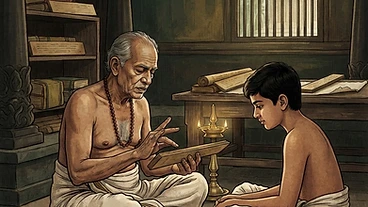
The Silent Language: Continuity in the Kutiyattam Tradition
Kutiyattam serves as a profound example of living heritage, where ancient performance manuals shift from private family archives to broader community preservation.


Steeped in Change: The Living Future of Japanese Tea Culture
Japanese tea culture is undergoing a transformation, as practitioners leverage local initiatives and modern technology to safeguard the delicate crafts of chasen-making and tea cultivation.

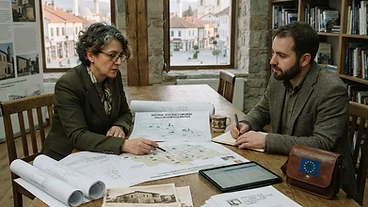
The Architecture of Reconciliation: Mapping Serbia's Cross-Border Cultural Infrastructure
Analyzing how Serbia utilizes institutional cultural frameworks and EU-funded regional heritage projects to foster stability across borders through technical cooperation.

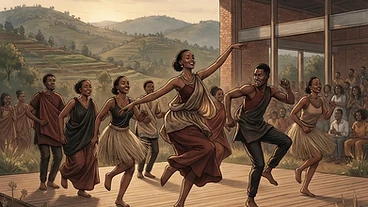
Rhythms of Resilience: How Rwandan Dance Evolves
Contemporary dance troupes in Rwanda are creating a bridge between historical tradition and modern expression, fostering community cohesion in a post-conflict landscape.

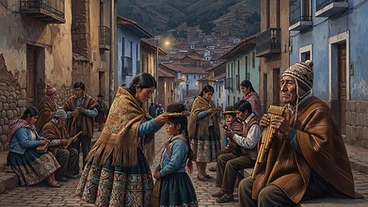
Echoes of the Altiplano: Cultural Persistence in Puno
Each year, the city of Puno becomes a center for cultural revitalization as thousands of participants perform traditional music and dance.

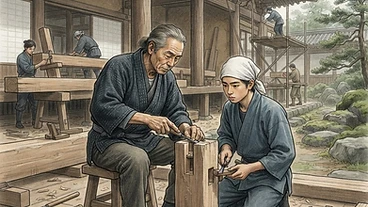
Preserving the Living Timber: Japan's Architectural Craftsmanship
This article examines the specialized techniques and intergenerational knowledge transfer essential for the conservation of Japan's historic wooden architecture.