Weaving the Future: China’s New Wave of Heritage Design
A new generation of designers is blending ancestral craftsmanship with digital innovation to preserve and evolve China's visual arts.
- Young designers in China are reimagining heritage crafts with fresh colors, new materials, and modern storytelling.
- Traditional craftsmanship is recognized as a key pillar for sustainable livelihoods and cultural transmission.
- UNESCO lists 67 cultural practices inscribed under its intangible heritage framework.
- Digital storytelling is used to bridge the gap between historic artisanal practices and contemporary markets.
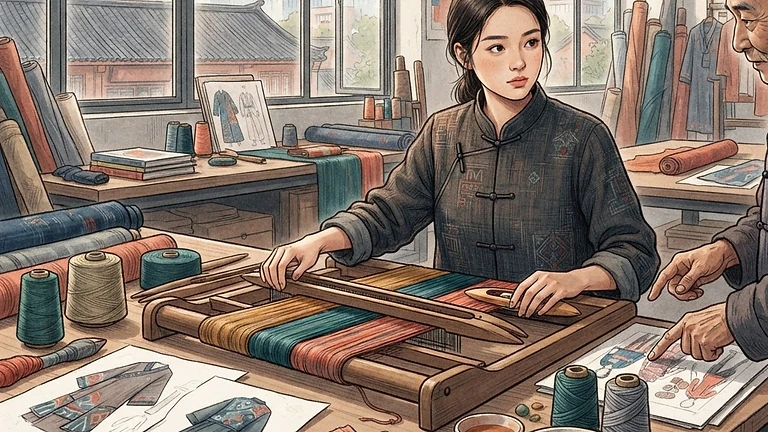
Weaving the Future: China’s New Wave of Heritage Design: AI-generated editorial illustration for NATION CONTINUITY.
The Modern Reimagining of Traditional Craft
In studios across China, the landscape of visual arts is shifting as a new generation of creators breathes fresh life into heritage crafts. Rather than viewing traditional techniques as static relics of the past, these designers are actively reimagining them through the lens of modern aesthetics and sustainable innovation. By introducing contemporary color palettes and unconventional materials, they are transforming historic practices into vibrant, everyday objects that resonate with a global audience.
Bridging Heritage and Innovation
The movement toward revitalizing traditional craftsmanship is not merely an aesthetic choice but a deliberate effort to ensure long-term cultural and economic viability. According to reports, this evolution is facilitated by the integration of digital storytelling, which allows artisans to connect with younger consumers who value both history and utility. As highlighted by China Daily (2026), young designers are successfully blending ancestral methods with modern sensibilities, ensuring these crafts remain relevant in a rapidly changing market.
Sustainability and Cultural Continuity

This resurgence aligns with broader international efforts to recognize the value of traditional knowledge. UNESCO (2025) identifies traditional craftsmanship as a foundational element of both sustainable livelihoods and active cultural practice. By treating heritage as an evolving dialogue rather than a fixed set of rules, these communities are creating a sustainable pathway for the transmission of knowledge between generations. This approach avoids the trap of treating culture as a homogeneous monolith, instead embracing the variations and innovations that define living heritage.
Diverse Perspectives on Craft
While the infusion of new materials and digital platforms is widely celebrated, some scholars and practitioners maintain a nuanced perspective on what constitutes 'authenticity' in craft. There is an ongoing, healthy discourse among communities regarding how much modification is permissible before a craft loses its original intent. However, the prevailing trend suggests that the survival of many of these practices depends on this very flexibility—a capacity to adapt that has historically characterized China's artistic development.
Sources
- China Daily (2026): Heritage crafts find new life.
- UNESCO (2025): Intangible Cultural Heritage: 67 cultural practices inscribed.
China Daily — Heritage crafts find new life; UNESCO — UNESCO Intangible Cultural Heritage: 67 cultural practices inscribed
The NATION CONTINUITY Editorial Desk produces AI-assisted editorial content — research, drafting and media generated under the publication's source, quality and discovery standards, then reviewed before publication.