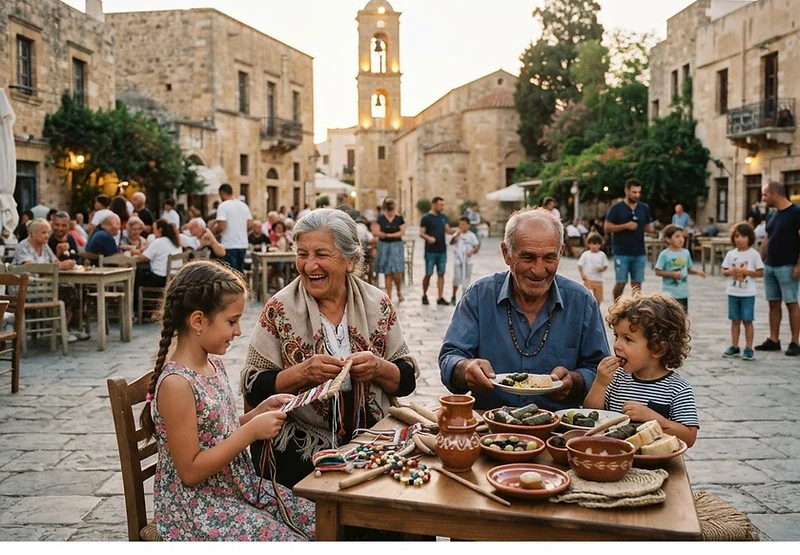
How Nations Preserve Who They Are
Understanding the Cultures That Shape Nations
Culture, identity, peoples, demographics and the policies shaping the continuity of nations.
Latest from NATION CONTINUITY
New perspectives on the cultures, countries and ideas shaping our world.
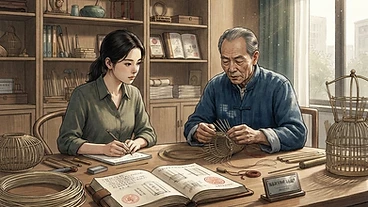
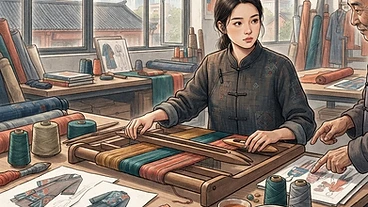
Countries & Cultures
Follow a Country Desk for continuous coverage of culture, policy and demographic change.

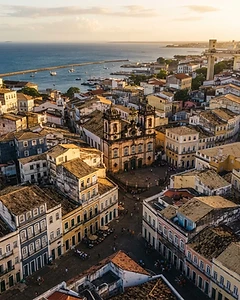
Brazil

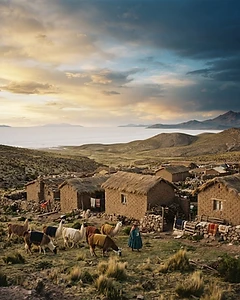
Bolivia

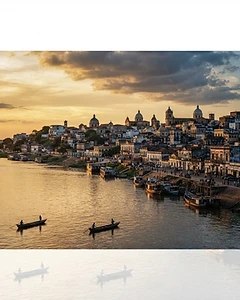
Paraguay

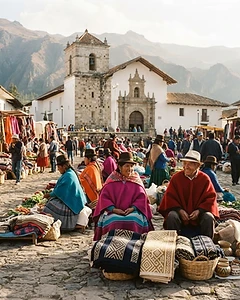
Ecuador

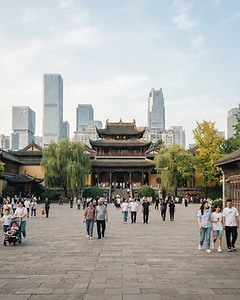
China

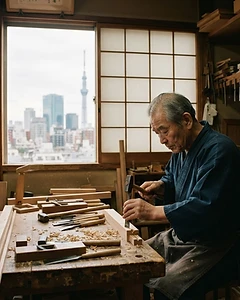
Japan

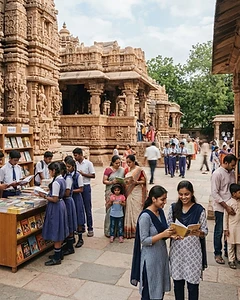
India

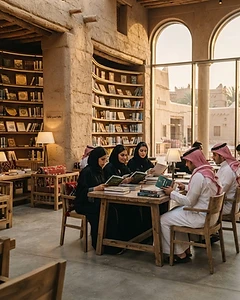
Saudi Arabia

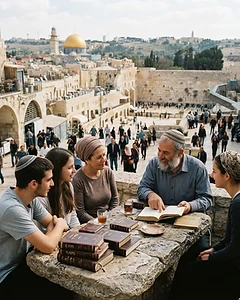
Israel


United States

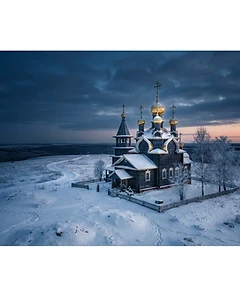
Russia / Eurasia

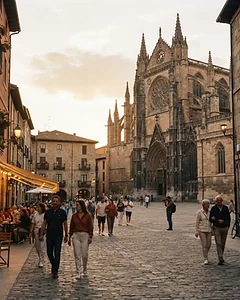
Europe

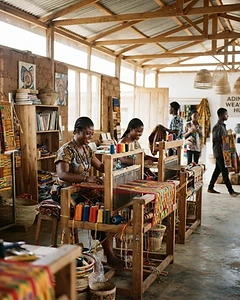
Ghana
The World's Cultures, Explained
Traditions, languages, heritage and living practice — documented with sources.

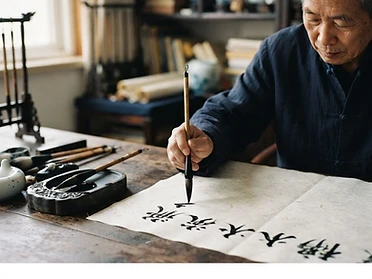
Chinese Calligraphy
Chinese calligraphy is the art of writing Chinese characters with brush and ink. It is considered one of the highest visual arts in Chinese culture, where the form of a character and the energy of its execution are valued as much as its meaning. Calligraphy connects language, aesthetics, philosophy and personal cultivation. Mastery requires years of practice and an understanding of the historical styles passed down by masters. As a living tradition, it is taught in schools, practised by amateurs and exhibited in museums, linking everyday writing to a continuous artistic lineage stretching back millennia.

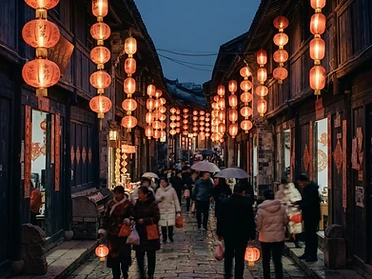
Lunar New Year
Lunar New Year, known as Spring Festival in China and Tet in Vietnam, is the most important annual festival across much of East Asia. It marks the beginning of the lunar calendar with family reunions, ancestral rites, symbolic foods, decorations and fireworks. The festival is defined by the return home: hundreds of millions of people travel to be with family. It transmits food traditions, kinship obligations and shared symbols across generations. Its scale and persistence make it one of the largest recurring cultural events on earth and a powerful example of how a calendar ritual sustains continuity.

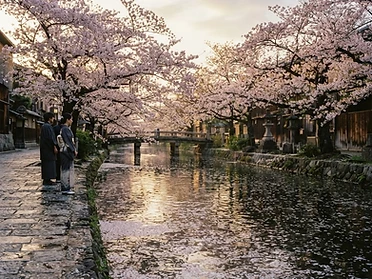
Hanami
Hanami is the Japanese tradition of viewing and celebrating the seasonal blooming of cherry blossoms. It is simultaneously a popular social event, a seasonal marker and a cultural image with centuries of artistic associations. Families, friends and colleagues gather under blossoming sakura trees in parks and along riverbanks to picnic, reflect and mark the passing of spring. The brevity of the blossom has long carried poetic associations with impermanence. Hanami illustrates how a seasonal ritual can structure everyday social life even as its meaning evolves, and how cultural continuity lives in repeated shared practice rather than in objects alone.

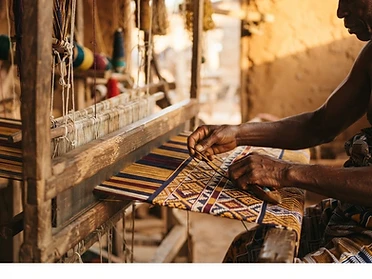
Kente
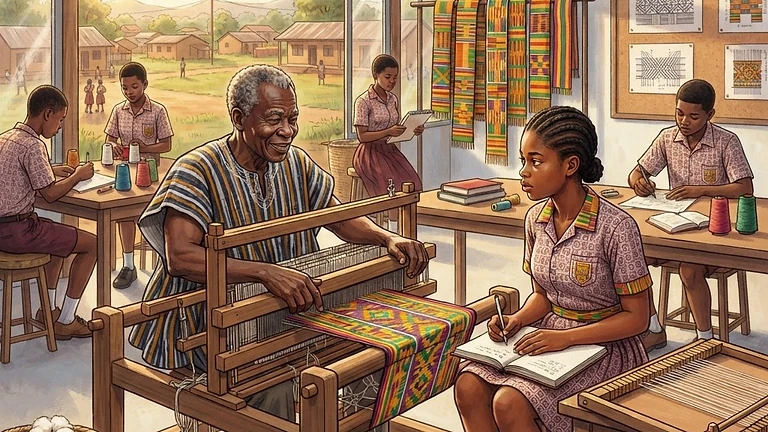
Kente is a handwoven textile tradition of the Akan people of Ghana, historically associated with the Asante and Ewe kingdoms. Each pattern carries a name, a proverb and a meaning, so that a cloth can communicate status, memory and aspiration. Woven in narrow strips and joined together, Kente is both a technical craft and a symbolic language. Today it is recognised internationally as a symbol of Ghanaian and broader African cultural identity, worn at ceremonies and reinterpreted by contemporary designers. Its continuity depends on transmitting knowledge of patterns, weaving technique and meaning to new generations while enabling artisans to earn a living from the tradition.

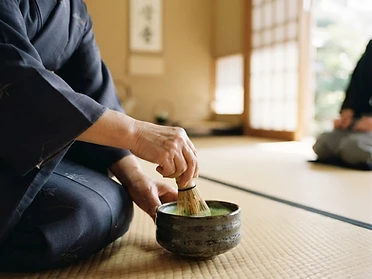
Japanese Tea Ceremony
The Japanese tea ceremony, or chanoyu, is a disciplined practice of preparing and serving matcha tea in a choreographed sequence within a deliberately simple room. It brings together architecture, ceramics, calligraphy, flower arrangement and hospitality into a single aesthetic discipline. Far more than a beverage, the ceremony is a school of attention, restraint and form. It remains a specialised discipline yet also a global shorthand for Japanese ideas of attention and hospitality. Its transmission depends on long apprenticeship and on the survival of the craft industries that supply its tools.

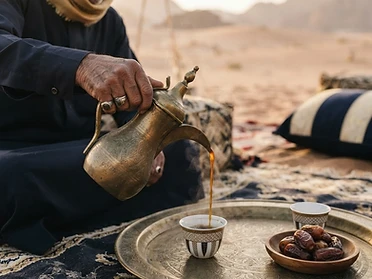
Arabic Coffee
Arabic coffee, or qahwa, is an unsweetened, lightly roasted coffee flavoured with cardamom and often saffron, served in small cups as a mark of hospitality across the Arabian Peninsula and the Arab world. The preparation and serving of coffee is a ritual of welcome, generosity and social order, governed by customs of pouring, receiving and refilling. Inscribed on the UNESCO list of intangible heritage, Arabic coffee is both a daily practice and a ceremonial one, binding families, guests and communities. Its continuity shows how a food tradition can carry social meaning as much as taste.
Every culture carries knowledge worth preserving.
We document how nations and communities transmit language, history, institutions, traditions and identity across generations. We believe humanity becomes stronger when its cultures can remain distinctive, understand one another and cooperate without becoming identical.
The World in Four Numbers
Verified indicators — every figure carries its source, reference year and status.
European Continuity
Different Nations. Shared Civilisation. Common Future.
Europe 2100
Verified population projections and the demographic turning point.
Read more →European Peoples
Historic communities, languages and national traditions.
Read more →Languages & Heritage
From Greek and Latin to living national languages.
Read more →Christian Heritage
A major historical civilisational influence on the continent.
Read more →Family & Generations
Fertility, renewal and the institutions of family formation.
Read more →Swiss-Inspired Integration
Open to contribution. Firm on integration.
Read more →

How Nations Preserve Who They Are
Latest policy and cultural developments from key Country Desks.
China's Model: Building a Common National Identity Across a Vast Multiethnic State
China officially recognises 56 ethnic groups, yet its political model places a common Chinese national identity above narrower regional or ethnic identities.
Saudi Arabia: Why Arabic Is National Infrastructure
Saudi policy provides a case study in how a state can seek international investment while strengthening a national language and cultural narrative.
Why National Cultures Still Matter in a Global Age
Globalisation has made it easier than ever for people, goods and ideas to cross borders. That raises a second question: how does a society remain recognisable to itself while participating fully in the wider world?
India: Civilisation, Plurality and the Modern Nation-State
India forces any discussion of national identity to confront scale and plurality — a billion people, hundreds of languages and enormous variation.
Contributors and Commentary
A global knowledge network of independent thinkers, academics and cultural experts.
NATION CONTINUITY grows through researchers, cultural experts, independent thinkers, institutions and readers.
We believe cultures deserve to be documented before knowledge is lost, and explained before differences become stereotypes.
Understand the Numbers
Every figure shows what it is, where it came from, and whether it is observed, estimated, projected or modelled.

What the World Is Celebrating
No events in this period. Explore the Culture Atlas for ongoing traditions.


A project born from living across cultures.
NATION CONTINUITY emerged from years of international work across Europe, Africa, the Middle East and China — and from a conviction that dialogue between societies is stronger when cultures are not asked to abandon their identities to cooperate.
Read the Publisher's VisionCulture Creates the Context for Cooperation.
Understanding how peoples see themselves is not an academic exercise. It changes how institutions communicate, how countries build trust and how long-term cooperation becomes possible.
NATION CONTINUITY documents the cultural, historical and demographic context of nations. For readers interested in the institutional dimension of cooperation across Europe, Asia and the Mediterranean, the Eurasia-Med Cooperation Council offers a complementary perspective focused on turning institutional relationships into concrete development initiatives.
Follow the cultures and countries that matter to you.
Follow Countries & Topics
Choose the nations and themes you care about. We will bring you the latest coverage.