Japan
Japan demonstrates that technological modernity does not require cultural homogenisation. Systems for protecting cultural properties, performing arts and exceptional craftspeople preserve techniques as well as objects. Seasonal rituals, food customs and local festivals structure everyday life. Japan's central continuity challenge is demographic: an ageing, declining population affects rural communities, festivals, schools and craft workshops, testing whether the infrastructure of transmission is strong enough as the number of inheritors shrinks.
Shinto and Buddhism are predominant; many people observe elements of both.
Japan — 日本, Nihon or Nippon — writes its language in three scripts: kanji, hiragana and katakana. Alongside Japanese, the Ainu language of Hokkaidō and the Ryukyuan languages of Okinawa and the Amami islands are recognised as distinct and endangered, and their revitalisation is one of the country's most active cultural debates. Continuity is organised around Shintō practice and Buddhist institutions, around local matsuri carried by neighbourhood associations, and around craft lineages — pottery, lacquer, washi paper, indigo dyeing — sustained by family workshops and designated Living National Treasures. Washoku, the traditional food culture, and kabuki, nō and bunraku theatre are inscribed by UNESCO, while chanoyu, ikebana and the aesthetic vocabulary of wabi and sabi continue to shape how Japanese institutions present their heritage to the world.
Local names and languages — 日本 · Nihon / Nippon · 日本語 Nihongo · アイヌ語 Ainu · 琉球諸語 Ryūkyū

Stories

Why National Cultures Still Matter in a Global Age
Globalisation has made it easier than ever for people, goods and ideas to cross borders. That raises a second question: how does a society remain recognisable to itself while participating fully in the wider world?

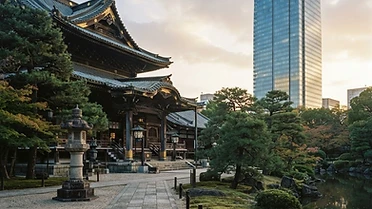
Japan: Modernity Without Cultural Amnesia
Few countries combine advanced industry and global brands with such a visible continuity of historic ritual, craft, language and aesthetic practice.

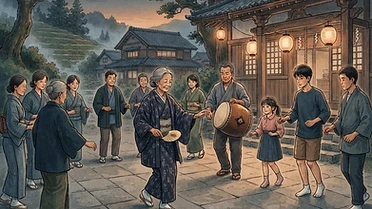
The Rhythms of Resonance: Furyu-odori and Japanese Community Life
Furyu-odori represents a collection of diverse ritual dances that act as a bridge between generations, fostering local identity through shared movement and song.

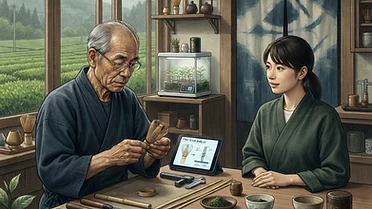
Steeped in Change: The Living Future of Japanese Tea Culture
Japanese tea culture is undergoing a transformation, as practitioners leverage local initiatives and modern technology to safeguard the delicate crafts of chasen-making and tea cultivation.

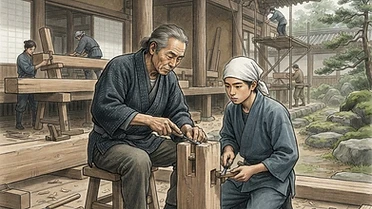
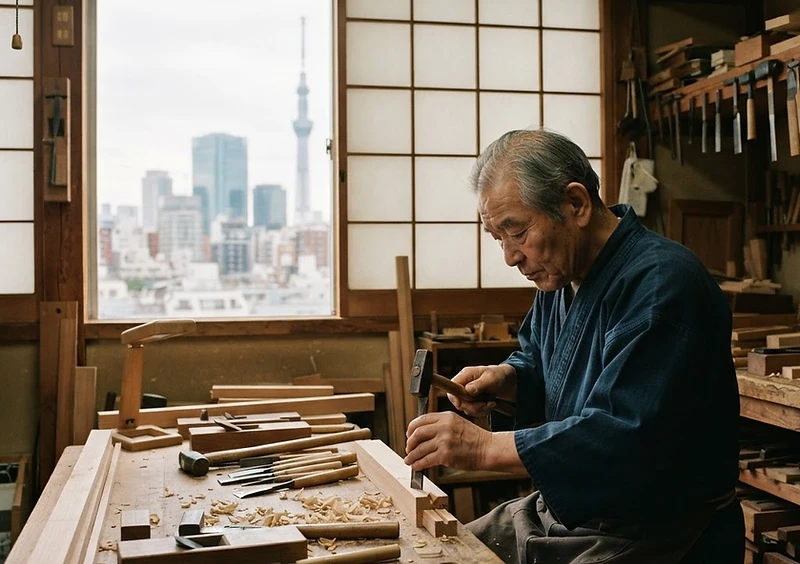
Preserving the Living Timber: Japan's Architectural Craftsmanship
This article examines the specialized techniques and intergenerational knowledge transfer essential for the conservation of Japan's historic wooden architecture.