Cultural practices associated to the 1st of March
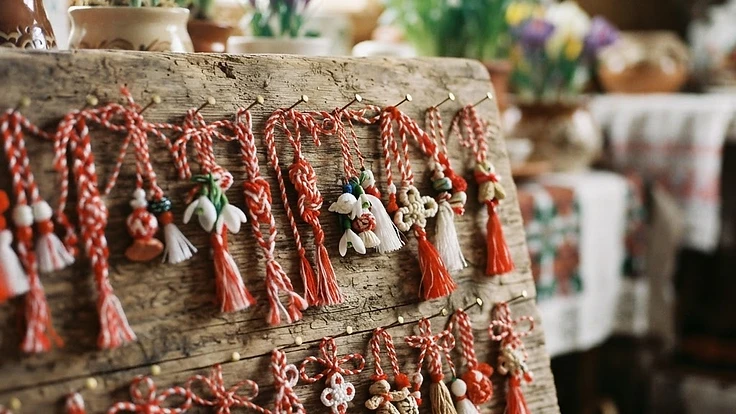
This tradition marks the arrival of spring through the exchange of small, red and white braided talismans known as Mărțișor. It is a widespread practice that symbolizes renewal and the transition from winter to spring.
Explanation
The Mărțișor is worn on the chest throughout the month of March to bring good luck and health. The red and white threads represent the duality of life and death, or the melting of snow and the blooming of flowers. The practice involves the entire community, with people of all ages participating in the exchange. It is a deeply ingrained social ritual that reinforces interpersonal bonds.
Origin & History
The tradition dates back to ancient agrarian rites celebrating the rebirth of nature. It has been practiced for centuries across the territories of historical Moldova and neighboring regions.
Why It Matters
It serves as a powerful symbol of cultural continuity and optimism, marking the seasonal cycle of life. The ritual fosters a sense of belonging and shared identity among the population.
Living Practice Today
The practice remains highly visible, with markets selling handmade Mărțișor talismans across the country every February. It is actively promoted in schools and cultural centers to ensure its transmission to the youth.
UNESCO Intangible Cultural Heritage; National Museum of Ethnography and Natural History