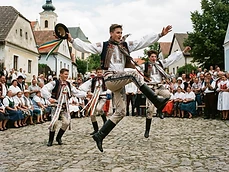
Polonaise, traditional Polish dance
The Polonaise is a stately, processional dance that holds a significant place in Polish cultural life and national identity. It is characterized by its moderate tempo and elegant, walking-like steps performed in pairs.
Explanation
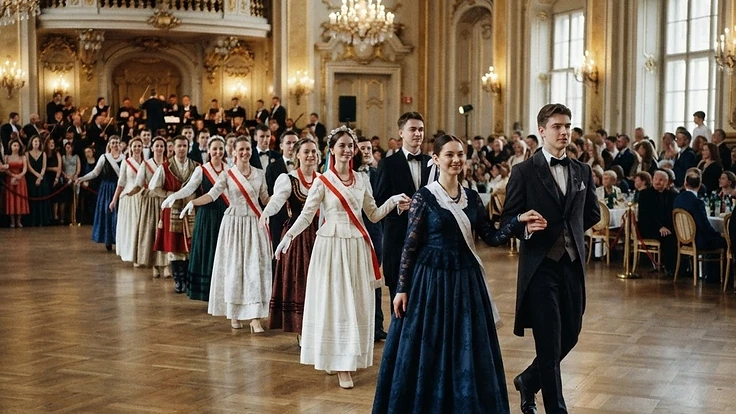
Historically associated with the Polish nobility, the Polonaise has evolved into a dance performed at formal events, weddings, and school proms. Participants move in a choreographed procession, often led by a couple who guides the group through intricate patterns. The dance requires grace and coordination, reflecting a sense of dignity and social harmony. It is considered a symbol of Polish heritage and is performed with great pride across the country.
Origin & History
The dance emerged in the 16th century as a courtly procession and gained widespread popularity among the Polish aristocracy. It became a staple of national celebrations and was later immortalized in the music of composers like Frédéric Chopin.
Why It Matters
The Polonaise serves as a unifying cultural marker that connects contemporary Poles to their historical roots. It reinforces social bonds and celebrates the continuity of national traditions.
Living Practice Today
It is currently a mandatory opening dance at high school graduation balls, known as studniówka, across Poland. The practice remains a vibrant part of social life, ensuring that younger generations learn the steps and the cultural significance of the dance.
UNESCO Intangible Cultural Heritage List; National Institute of Folk Culture