Nativity scene (szopka) tradition in Krakow
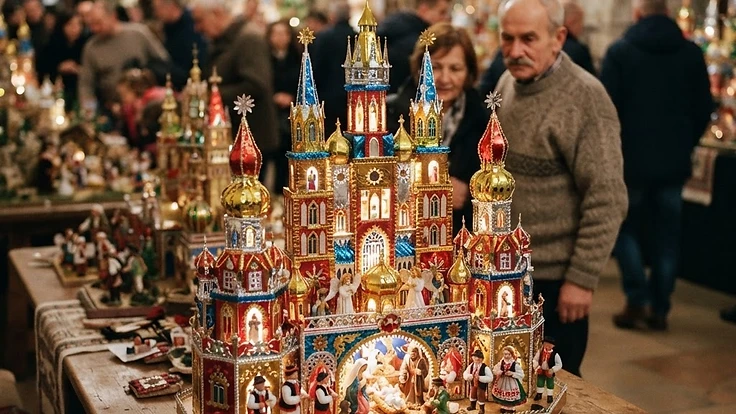
The Krakow szopka is a unique form of nativity scene characterized by its elaborate, tower-like structures inspired by the city's architecture. These scenes are traditionally displayed during the Christmas season and are central to local festive identity.
Explanation
The tradition involves creating intricate models that combine religious themes with secular elements of Krakow's urban landscape. Craftsmen use materials like wood, cardboard, and colorful foil to construct these miniature masterpieces. The practice is passed down through generations, often within families, and culminates in an annual competition held at the Adam Mickiewicz Monument. It serves as a vital expression of local pride and artistic ingenuity.
Origin & History
The tradition originated in the 19th century among Krakow's stonemasons and craftsmen who sought to earn extra income during the winter months. It evolved from simple puppet theaters into the highly decorative architectural models seen today.
Why It Matters
It represents a unique synthesis of religious devotion and architectural heritage that is specific to Krakow. The practice fosters community cohesion and preserves traditional craftsmanship skills.
Living Practice Today
Today, the tradition is actively maintained through workshops, exhibitions, and the annual competition organized by the Historical Museum of the City of Krakow. It remains a highly anticipated cultural event that attracts both locals and international visitors.
UNESCO Intangible Cultural Heritage List; Historical Museum of the City of Krakow