Finland
A bilingual republic with constitutional Sámi rights and a cultural policy built on libraries, adult education and regional equity.
Local name: Suomi
Recognised regional or minority languages: Sámi, Romani, Finnish Sign Language
Source labels and dataset codes are those published by the statistical authority named on each row. Figures are reproduced as retrieved, without interpolation.
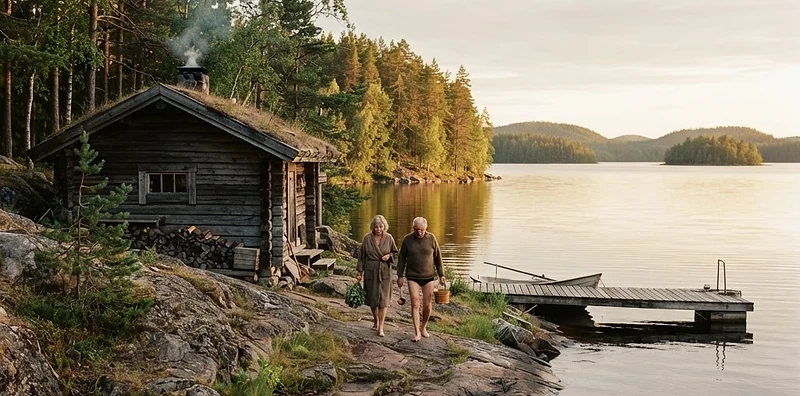
Finland, known in its own language as Suomi, is a Nordic country located in Northern Europe. Its official languages are Finnish and Swedish, while the Sámi languages, Romani, and Finnish Sign Language are recognised regional or minority languages. The capital city is Helsinki. Finland is characterised by a strong institutional framework and a comprehensive legislative basis for cultural policy, which emphasises the continuity of both tangible and intangible heritage. Demographically, the country faces the challenges of an ageing population and low birth rates, which are central to its current social and economic planning. Cultural continuity is maintained through active state support for arts, education, and the preservation of traditional practices, such as the widely integrated sauna culture. The nation balances its deep-rooted historical traditions with a modern, innovation-driven society, ensuring that its cultural identity remains a vital component of its national development and social cohesion.
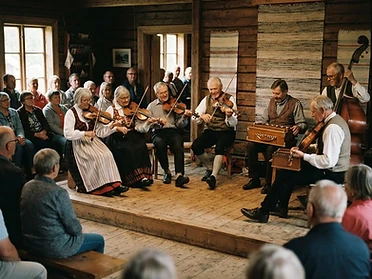
UNESCO Intangible Cultural Heritage: Sauna culture in Finland · Kaustinen fiddle playing and related practices and expressions · Nordic clinker boat traditions · Knowledge, craft and skills of handmade glass production

Finland in the Atlas



Cultural Heritage Strategy 2030
The strategy aims to strengthen the foundations of cultural heritage as a source of sustainable solutions for society. It promotes the integration of both tangible and intangible heritage into all areas of public policy.
- Instrument
- Government Resolution
- Year
- 2022
- Scope
- Finland national policy