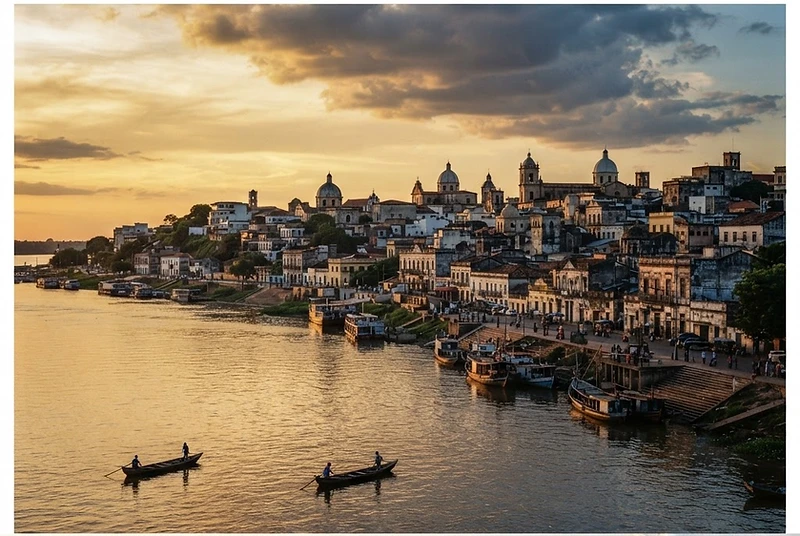
Paraguay
Paraguay offers one of the most remarkable language stories in the Americas. Guaraní, an indigenous language, is spoken across large parts of society and exists alongside Spanish as an official language. Historical circumstances embedded it across social groups, and constitutional recognition gave it a formal place in national identity. Paraguay shows that an indigenous language can become part of the shared culture of a modern state, including among people of mixed or non-indigenous ancestry.
Catholic majority.
Paraguay is one of the few countries in the world where an Indigenous language is spoken by most of the population: Guaraní, or ñe'ẽ, is co-official with Spanish and carries everyday conversation, humour and song. The country's continuity runs through the Mbyá, Avá Guaraní, Aché, Nivaclé and Enxet peoples of the Chaco and the eastern forests; through the Jesuit reductions of Trinidad and Jesús de Tavarangue, inscribed by UNESCO, whose music and craft traditions survive in local practice; and through the Mennonite colonies of the central Chaco, which added Plautdietsch to the country's linguistic map. Tereré, the cold herbal infusion shared in rounds, the ñandutí lace of Itauguá, the Paraguayan harp and the guarania compose a cultural repertoire that is rural in origin and national in reach.
Local names and languages — República del Paraguay · Paraguái · Español y Guaraní (ñe'ẽ)

Stories
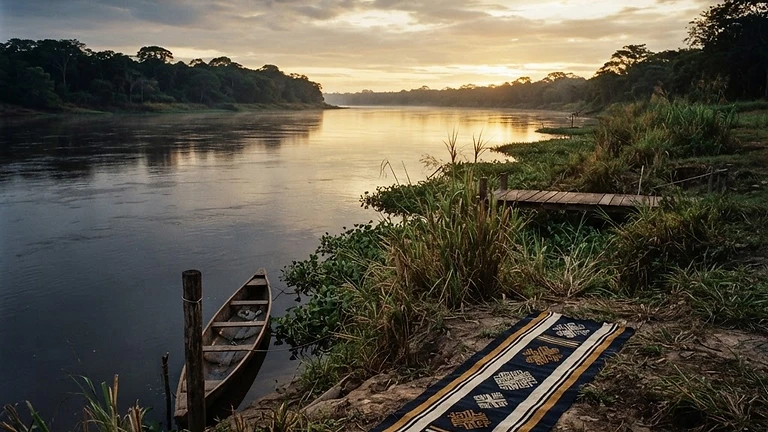
Paraguay: How Guaraní Became a Living National Language
Guaraní demonstrates that linguistic continuity can become part of national cohesion rather than an obstacle to it.

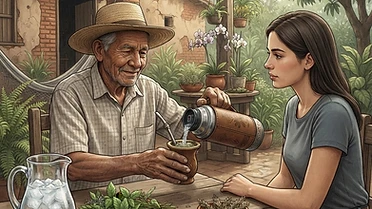
The Living Ritual of Tereré: Ancestral Knowledge in Paraguay
The preparation of Tereré serves as more than a simple refreshment; it is a vital social practice rooted in the ancestral Guaraní culture of Paraguay. This ritual preserves specialized knowledge of medicinal herbs, strengthening communal bonds across generations.

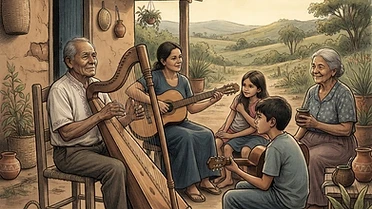
The Guarania: A Living Echo of the Paraguayan Spirit
The Guarania represents a unique synthesis of indigenous linguistic heritage and syncopated musical rhythms. It continues to act as a vital social thread in the daily experiences of Paraguayan families and communities.