The Living Ritual of Tereré: Ancestral Knowledge in Paraguay
A deep look into the cultural practice of preparing and sharing Pohã Ñana, a tradition that preserves Guaraní botanical heritage.
- Tereré is an infusion of yerba mate, cold water, and medicinal herbs known as Pohã Ñana.
- The practice is deeply rooted in ancestral Guaraní knowledge.
- Knowledge of medicinal herbs is transmitted spontaneously within families.
- The sharing of the drink acts as a facilitator for social cohesion and inclusion.
- UNESCO recognizes this practice as a living, evolving element of cultural heritage.
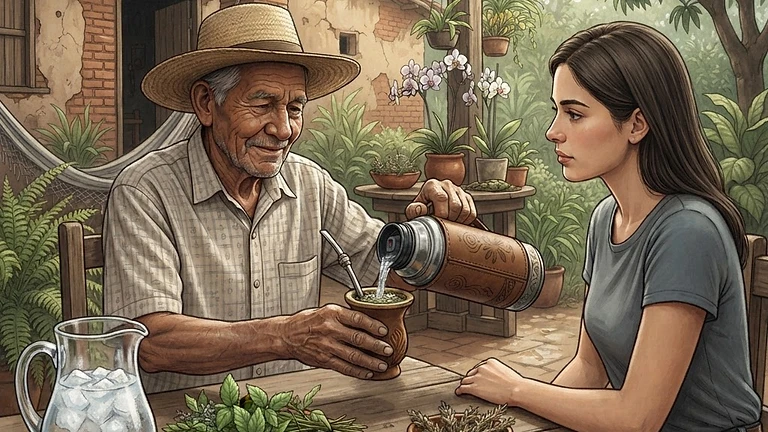
The Living Ritual of Tereré: Ancestral Knowledge in Paraguay: AI-generated editorial illustration for NATION CONTINUITY.
The Botanical Foundation of Social Life
In various communities throughout Paraguay, the preparation and consumption of Tereré—an infusion of yerba mate with cold water and medicinal herbs—serves as a central pillar of social interaction. According to documentation from UNESCO, this practice is deeply tied to the culture of Pohã Ñana, which refers to the traditional medicinal plants used to flavor the drink. Far from being a static relic, the preparation of the infusion is a dynamic exercise that balances individual preference with communal sharing, often facilitated by a singular vessel passed between participants.
The Transmission of Ancestral Wisdom
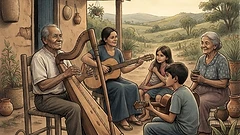
The knowledge required to identify, harvest, and process Pohã Ñana is not primarily documented in textbooks but is transmitted through spontaneous, intergenerational learning within family units. Elders and younger family members exchange information regarding the properties of specific herbs, ensuring that the botanical heritage of the Guaraní people remains relevant in modern daily life. UNESCO identifies this spontaneous transmission as a key factor in the resilience of the practice, as it embeds technical knowledge directly into the fabric of domestic routine.

A Catalyst for Social Cohesion
The practice of Tereré functions as an instrument for social inclusion and cohesion. By gathering around the ritual of preparing the drink, individuals from different walks of life are brought into a shared space. UNESCO notes that this practice bridges social gaps, as the act of sharing a drink from the same source establishes a moment of equality and collective rest. The ritual is characterized by a high degree of adaptability, as communities continue to integrate new preferences and local variations of herbs, demonstrating that the culture of Pohã Ñana is an evolving, living heritage rather than a closed historical chapter.
Sources
- Practices and traditional knowledge of Terere in the culture of Pohã Ñana — UNESCO (https://ich.unesco.org/en/RL/practices-and-traditional-knowledge-of-terere-in-the-culture-of-poha-nana-guarani-ancestral-drink-in-paraguay-01603)
UNESCO — Practices and traditional knowledge of Terere in the culture of Pohã Ñana
The NATION CONTINUITY Editorial Desk produces AI-assisted editorial content — research, drafting and media generated under the publication's source, quality and discovery standards, then reviewed before publication.