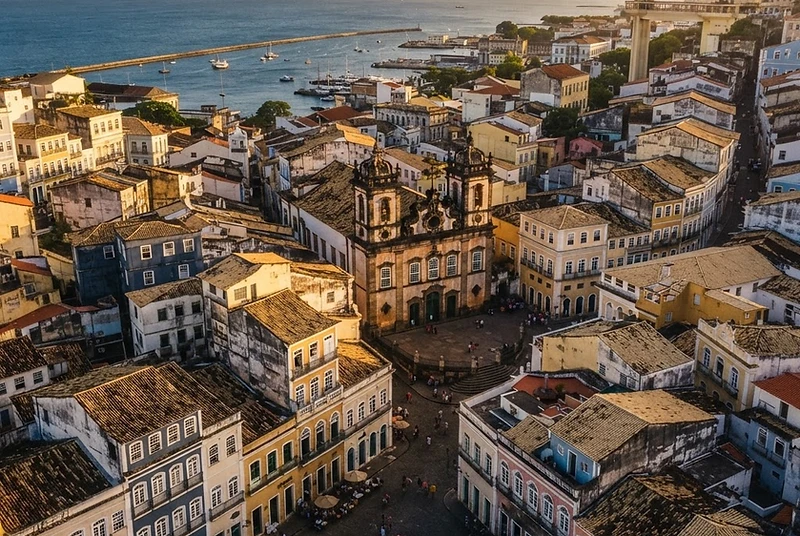
Brazil
Brazil does not fit simple ethnic categories. Its population reflects indigenous peoples, European settlement, the forced migration of Africans through slavery, later immigration and extensive mixing. Portuguese provides a common linguistic framework. Afro-Brazilian, indigenous and immigrant traditions coexist within a recognisably Brazilian culture. Brazil warns against careless demographic classification: census categories such as parda cannot be translated into a universal racial model without losing information.
Catholic and evangelical Christian majority; Afro-Brazilian and other traditions.
Brazil is a federation of twenty-six states and the Federal District, where Portuguese is the official language and more than 170 Indigenous languages are still spoken, among them Tukano, Baniwa, Yanomami, Guaraní and the Amazonian língua geral heritage. National culture was built from three long currents: Indigenous societies of the Amazon and the Atlantic forest; the Yoruba, Bantu and West African traditions carried through slavery, which shaped Candomblé, capoeira, samba de roda, frevo and maracatu; and Portuguese, Italian, Japanese, Arab and German immigration. Continuity is documented in quilombo land rights, in the Enawene Nawe Yaokwa ritual cycle, in the Afro-Brazilian terreiros, and in the sertão's poetry and cordel literature — traditions that regional museums and community archives now record in the communities' own terms.
Local names and languages — República Federativa do Brasil · Português · Língua Geral, Tukano, Baniwa, Guaraní

Stories
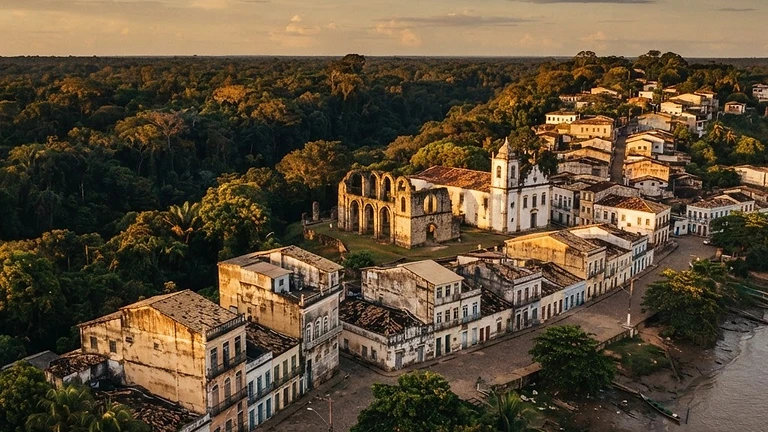
Brazil: Protecting Culture in a Continental, Mixed Society
Brazil warns against careless demographic classification: census categories cannot be translated into a universal racial model without losing information.

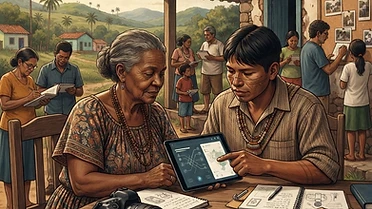
Echoes of Resilience: Mapping Brazil’s Living Traditions
Brazil's intangible cultural heritage is being fortified through community-led inventory initiatives that prioritize local voices in the preservation of artistic practices. By placing documentation tools in the hands of practitioners, these regions are safeguarding their unique cultural landscapes.

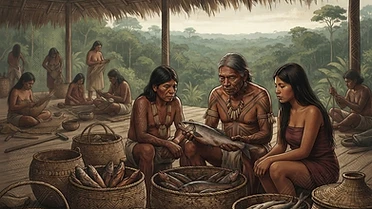
Safeguarding the Yaokwa: The Enawene Nawe Ritual Cycle
The Yaokwa, a seasonal ritual cycle of the Enawene Nawe people in Brazil, connects social life to cosmic rhythms through fish exchange, though it faces modern environmental threats.