Andorra
A Pyrenean co-principality where Catalan is official but a minority of residents hold Andorran nationality.
Local name: Andorra
Recognised regional or minority languages: Spanish, Portuguese, French
Source labels and dataset codes are those published by the statistical authority named on each row. Figures are reproduced as retrieved, without interpolation.
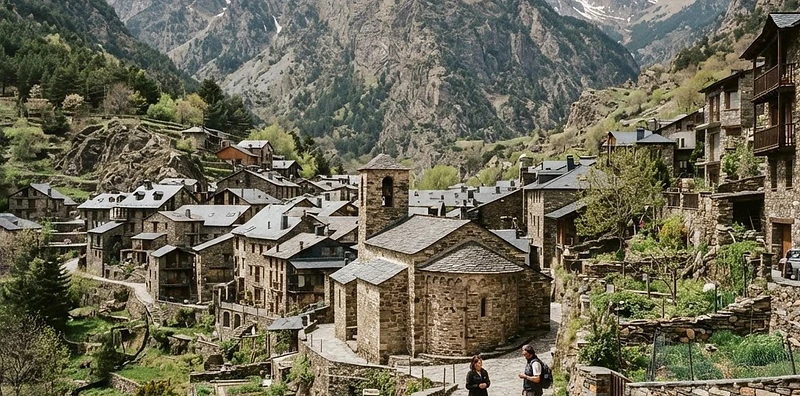
Andorra, known locally as Andorra or Principat d'Andorra, is a sovereign microstate situated in the eastern Pyrenees mountains of Southern Europe. The official language is Catalan, while Spanish, Portuguese, and French are widely spoken and recognised as minority languages. The capital city is Andorra la Vella. The country is defined by its unique political structure as a co-principality, governed by the Bishop of Urgell and the President of France, which has ensured its institutional stability since the 13th century. Its demographic and cultural continuity is anchored by its mountainous geography, which has historically fostered isolated, resilient communities, and its long-standing tradition of transhumance and communal land management. These elements, alongside a high degree of social cohesion and a commitment to preserving Pyrenean heritage, maintain the continuity of Andorran identity within a modern, service-oriented economy.
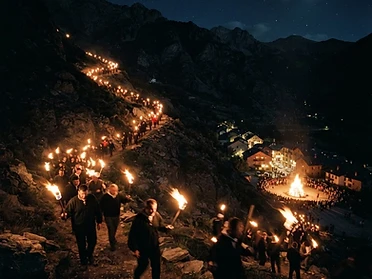
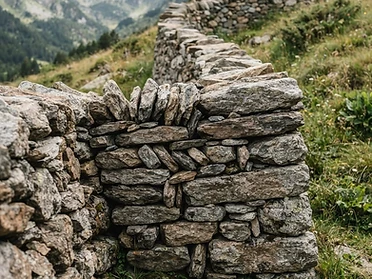
UNESCO Intangible Cultural Heritage: Summer solstice fire festivals in the Pyrenees · Bear festivities in the Pyrenees · Transhumance, the seasonal droving of livestock · Art of dry stone construction, knowledge and techniques

Andorra in the Atlas


Law 9/2003 of the Cultural Heritage of Andorra
This law establishes the legal framework for the protection, conservation, and promotion of Andorra's cultural heritage. It mandates the inventory and safeguarding of both tangible and intangible assets, ensuring their transmission to future generations.
- Instrument
- Law 9/2003
- Year
- 2003
- Scope
- Andorra national policy