Ecuador
Ecuador is an Andean country where indigenous heritage, Quechua language and highland traditions coexist with a Spanish-speaking modern state. The country's cultural continuity is visible in textiles, festivals, food and community organisation. Ecuador demonstrates how smaller Andean nations negotiate the transmission of indigenous and mestizo heritage within contemporary institutions.
Catholic majority; indigenous traditions.
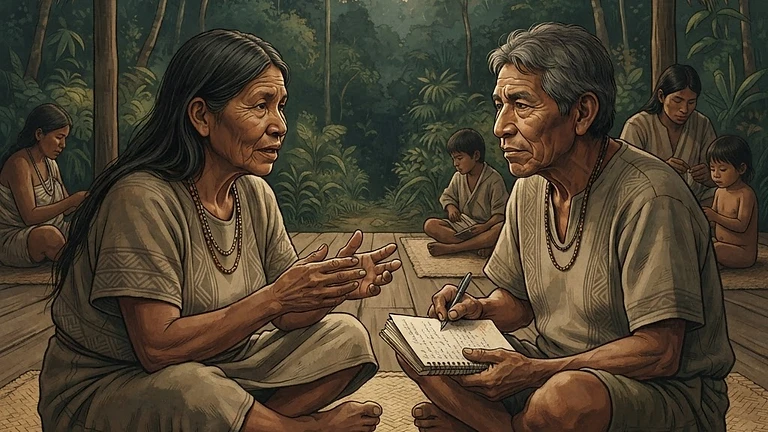
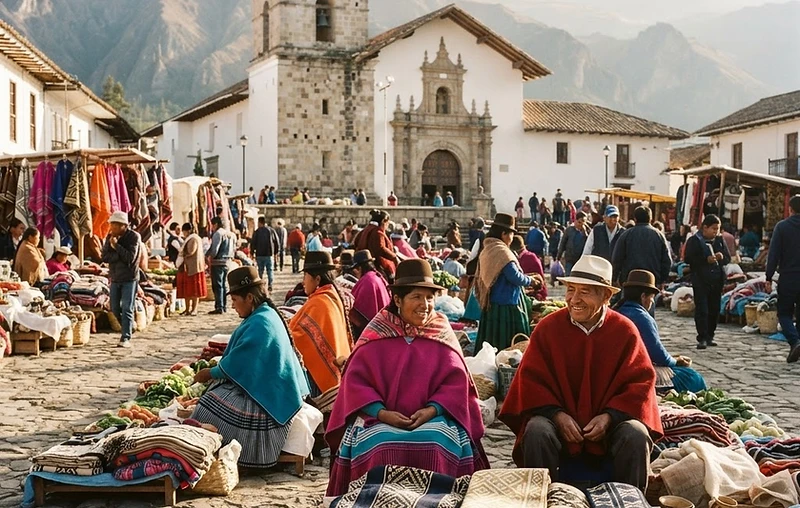
Ecuador became a plurinational state under its 2008 Constitution, which recognises the Kichwa (Quichua), Shuar, Achuar, Chachi, Tsáchila, Huaorani and other nationalities, together with the Afro-Ecuadorian and Montubio peoples. The Kichwa concept sumak kawsay — buen vivir — was written into the constitutional text and now shapes national debates on development. Cultural continuity is visible in the Otavalo textile markets, Salasaca weavings, the marimba esmeraldeña music UNESCO inscribed in 2015, and in the Amazonian territories around Yasuní, where oral knowledge and territorial guardianship are inseparable. Spanish is the official language of the state, while Kichwa and Shuar are official in the territories where they are spoken, and the country's four worlds — Andes, coast, Amazon and Galápagos — carry distinct traditions.
Local names and languages — República del Ecuador · Ecuador Mamallakta (Kichwa) · Kichwa, Shuar, Español