The Resilient Craft of Zlakusa Pottery
Deep in the village of Zlakusa, a unique hand-wheel technique blends ancient geological knowledge with culinary innovation to sustain a living heritage.
- Zlakusa pottery is made using a manual wheel and a specific mixture of clay and calcite.
- The vessels are designed for thermal food processing.
- The Zlakusa technique is inscribed on the UNESCO Representative List of the Intangible Cultural Heritage of Humanity.
- The National Register of Intangible Cultural Heritage in Serbia is regularly updated.
- Civil society organizations participate in proposing entries for the Serbian national heritage list.
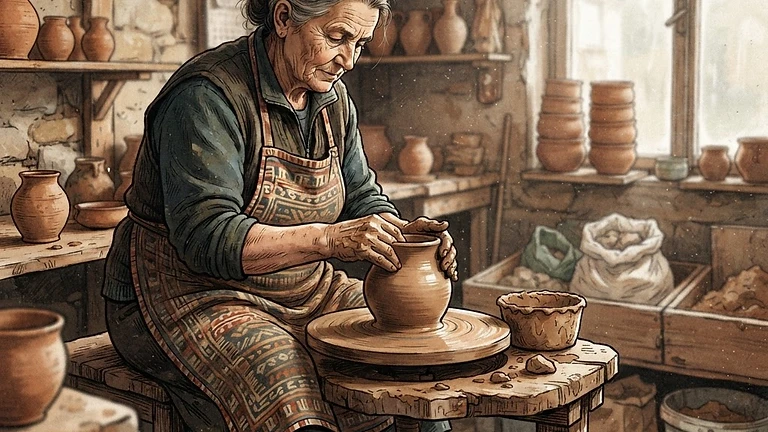
The Resilient Craft of Zlakusa Pottery: AI-generated editorial illustration for NATION CONTINUITY.
A Traditional Method for Modern Kitchens
In the village of Zlakusa, potters maintain a distinct method of vessel production that has persisted through generations. Unlike industrial ceramics, Zlakusa pottery is crafted using a manual wheel, a tool that requires rhythmic physical engagement from the artisan. The process is defined by the intentional mixing of clay with crushed calcite, a specific geological combination that gives the final product its thermal resistance. According to UNESCO, this material composition allows the vessels to be used directly for thermal food processing, meaning they are as functional on a stove as they are aesthetically unique.
Safeguarding Living Heritage
The practice of Zlakusa pottery was inscribed on the Representative List of the Intangible Cultural Heritage of Humanity in 2020. This recognition acknowledges the skill involved in preparing the raw materials and the dexterity required to shape the vessels by hand. Rather than viewing the craft as a static relic, the living community of potters continues to adapt these shapes to meet the demands of contemporary chefs and home cooks. The sustainability of this craft relies on the transmission of knowledge between generations, ensuring that the specific techniques for tempering and firing the clay are not lost.

The Role of Cultural Institutions
The preservation of such traditions is supported by formal structures, such as the National Register of Intangible Cultural Heritage maintained by the Ministry of Culture of the Republic of Serbia. This register serves as a living document, regularly updated to reflect the diverse practices found across the region. The inclusion of new elements often relies on the active participation of civil society organizations, which work alongside state bodies to identify and propose cultural practices that hold significance for local communities. This collaborative approach ensures that the state list remains a reflection of contemporary cultural priorities rather than a fixed archive.
Sources
- UNESCO: Zlakusa pottery making, hand-wheel pottery making in the village of Zlakusa (2020).
- Ministry of Culture of the Republic of Serbia: National Register of Intangible Cultural Heritage (2024).
UNESCO Intangible Cultural Heritage — Zlakusa pottery making, hand-wheel pottery making in the village of Zlakusa; Ministry of Culture of the Republic of Serbia — National Register of Intangible Cultural Heritage
The NATION CONTINUITY Editorial Desk produces AI-assisted editorial content — research, drafting and media generated under the publication's source, quality and discovery standards, then reviewed before publication.