Legislating Living Traditions: The Evolution of China’s Intangible Cultural Heritage
How the 2011 Intangible Cultural Heritage Law and global institutional frameworks are reshaping the preservation of social practices in China.
- China has 44 UNESCO-recognized intangible cultural heritage items.
- The 2011 Intangible Cultural Heritage Law provides the legal framework for provincial and local regulations.
- China is an official signatory to the UNESCO Convention for the Safeguarding of Intangible Cultural Heritage.
- There are over 90,000 registered representative inheritors of ICH in China.
- The Spring Festival is recently recognized by UNESCO as a living social practice.
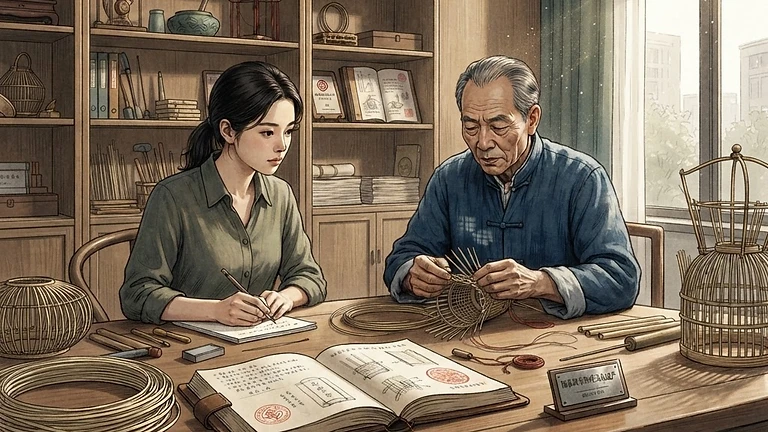
Legislating Living Traditions: The Evolution of China’s Intangible Cultural Heritage: AI-generated editorial illustration for NATION CONTINUITY.
The Framework of Preservation
The safeguarding of intangible cultural heritage (ICH) in China has undergone significant institutional development over the past decade. Central to this process is the Intangible Cultural Heritage Law, implemented in 2011, which established a comprehensive legal framework for the protection and management of traditional practices. According to state reports, this legislation provides the structural foundation for provincial and local authorities to develop specific regulations tailored to their regional cultural needs.
Global Integration and UNESCO Recognition
China is a signatory to the UNESCO Convention for the Safeguarding of Intangible Cultural Heritage, a commitment that has facilitated the integration of national preservation efforts into a global standard. This international alignment emphasizes that heritage is not a static relic, but a living practice that requires active transmission. As of 2024, China has achieved recognition for 44 distinct items on the UNESCO Representative List of the Intangible Cultural Heritage of Humanity, including the recent inscription of the Spring Festival, which is acknowledged as a vital social practice.
The Role of Representative Inheritors


A critical component of China's current strategy is the support of individual practitioners, referred to as representative inheritors. There are currently over 90,000 such individuals officially recognized by the state. These figures highlight the shift from focusing solely on material objects to prioritizing the human dimension of cultural transmission. By investing in the masters of these crafts, performing arts, and traditional customs, the policy framework seeks to ensure these practices evolve within contemporary society rather than remaining fixed in the past.
Perspectives on Institutionalization
While official narratives emphasize success in safeguarding, scholars of cultural heritage note that the institutionalization process faces the ongoing challenge of balancing standardized legal definitions with the fluid, often localized nature of ICH. The success of these policies depends on the capacity of local communities to maintain autonomy over their own traditions while navigating the formal reporting and management structures established by the 2011 law.
Sources
- China sees remarkable progress in keeping intangible cultural heritage alive (Government of China/Xinhua, 2024)
- China - UNESCO Intangible Cultural Heritage (UNESCO, 2024)
Xinhua / Government of China — China sees remarkable progress in keeping intangible cultural heritage alive; UNESCO — China - UNESCO Intangible Cultural Heritage
The NATION CONTINUITY Editorial Desk produces AI-assisted editorial content — research, drafting and media generated under the publication's source, quality and discovery standards, then reviewed before publication.