Afro-Brazilian Musical Heritage
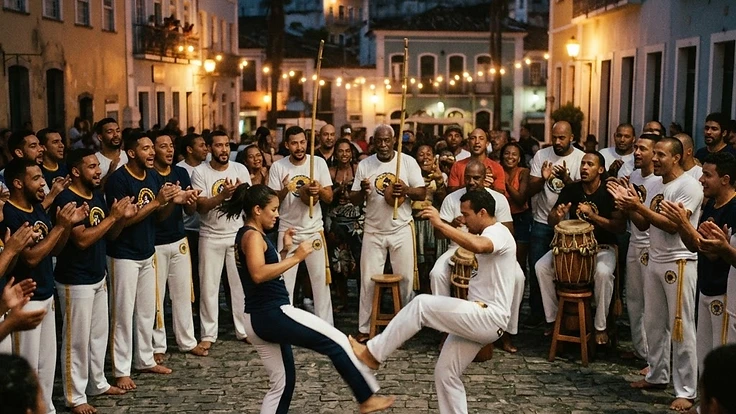
Afro-Brazilian musical heritage encompasses samba, capoeira music, candomble rhythms, maracatu and many other forms shaped by the descendants of Africans brought to Brazil through the slave trade. These traditions carry deep connections to African histories while developing distinctively Brazilian forms. Music has been a primary vehicle for preserving and renewing memory, language and community identity across generations. Afro-Brazilian heritage is central to national culture and illustrates how cultural continuity can be sustained through performance even under conditions of historical violence and displacement.
Explanation
Samba, capoeira and candomble traditions combine rhythm, movement and spiritual meaning, transmitted through community practice and oral tradition.
Origin & History
Afro-Brazilian music developed from traditions brought by enslaved Africans and adapted in Brazil over centuries.
Why It Matters
It shows how music sustains memory and identity across generations under conditions of displacement.
Living Practice Today
Afro-Brazilian music is central to Brazilian culture and continues to influence global popular music.
IPHAN, Brazil; Palmares Cultural Foundation.