Brazilian Carnival Traditions
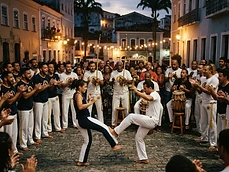
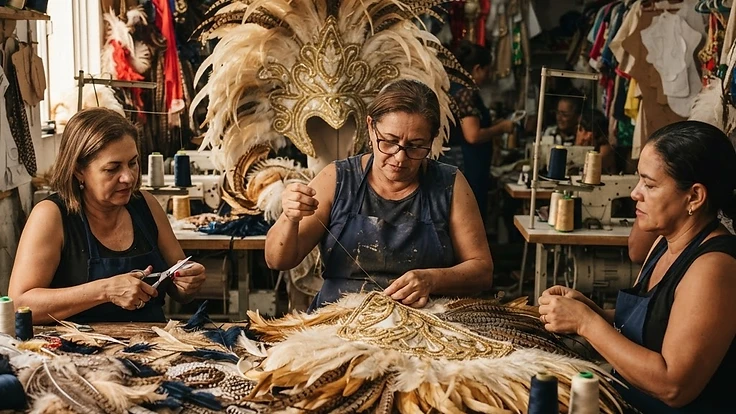
Brazilian Carnival is one of the largest cultural festivals in the world, combining music, dance, costume and community organisation in regional forms from Rio's samba schools to the frevo and maracatu of the Northeast. Each style carries local history and social meaning. Carnival is both a popular celebration and a major cultural industry, transmitting music, craft and performance traditions across generations. Its scale and regional diversity make it a central expression of Brazilian cultural continuity and a reminder that national culture can be internally diverse while remaining recognisably shared.
Explanation
Carnival takes distinct regional forms: Rio's samba school parades, Salvador's trio eletrico and Recife's frevo, each rooted in local history and community organisation.
Origin & History
Brazilian Carnival developed from pre-Lenten traditions shaped by African, Portuguese and indigenous influences over centuries.
Why It Matters
Carnival transmits music, craft and performance traditions at immense scale across generations.
Living Practice Today
Carnival is celebrated nationwide each year and is a major focus of Brazilian cultural tourism and industry.
IPHAN, Brazil; Ministry of Culture, Brazil.