European Classical Music Tradition
European classical music is a continuous tradition of composed music stretching from medieval chant through Renaissance, Baroque, Classical and Romantic periods to the present. It developed systems of notation, harmony and instrumentation that shaped global music. The tradition is preserved through conservatoires, orchestras, opera houses and festivals, and remains a living repertoire rather than a museum. Its continuity depends on institutional infrastructure for training, performance and publication, illustrating how a high cultural tradition requires sustained investment to transmit across generations.
Explanation
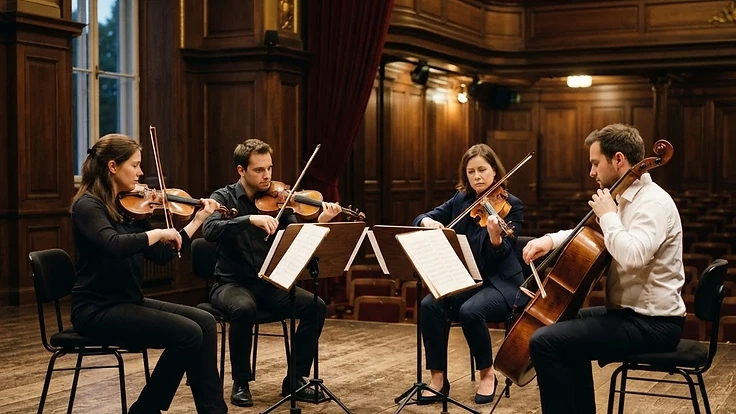
The tradition is built on written notation, fixed ensembles and institutions such as conservatoires and opera houses that train performers and preserve repertoire.
Origin & History
European classical music developed from medieval church music and court traditions, expanding through successive stylistic periods.
Why It Matters
It shows how a high cultural tradition is sustained through institutions of training and performance.
Living Practice Today
Classical music is performed worldwide and remains a living repertoire through new composition and performance.
European concert hall and conservatoire archives; national music institutions.