Sweden
A country with five officially recognised national minorities and a long period of liberal immigration now under political revision.
Local name: Sverige
Recognised regional or minority languages: Sámi, Finnish, Meänkieli, Romani, Yiddish
Source labels and dataset codes are those published by the statistical authority named on each row. Figures are reproduced as retrieved, without interpolation.
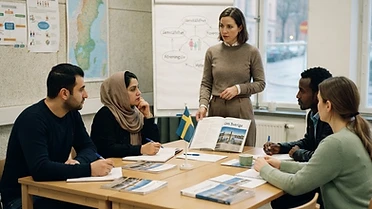
Sweden, known locally as Sverige, is a Nordic country located in Northern Europe. Its official language is Swedish, and it recognises five regional or minority languages under the Council of Europe Charter: Sámi, Finnish, Meänkieli, Romani, and Yiddish. The capital and largest city is Stockholm. Sweden is defined by a high degree of social cohesion, a long-standing commitment to the Nordic model of welfare, and a strong cultural emphasis on environmental stewardship and egalitarianism. The nation maintains demographic continuity through a stable, albeit aging, population and a tradition of integrating diverse cultural influences while preserving its historical heritage. Its cultural landscape is shaped by both its expansive natural environment and a robust institutional framework that supports the arts, crafts, and traditional practices, ensuring their transmission to future generations within a modern, technologically advanced society.
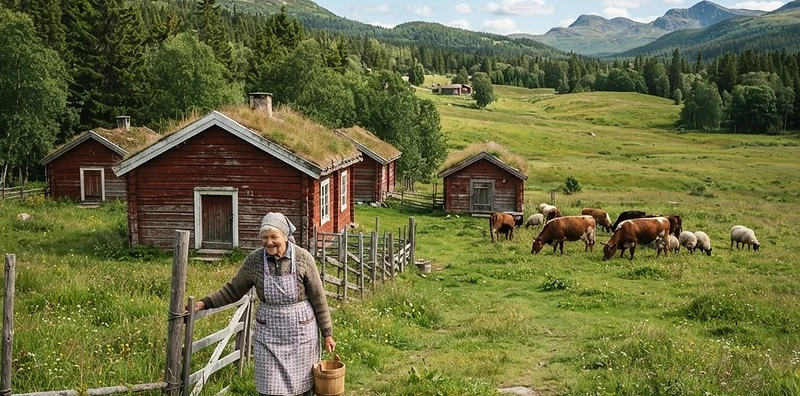
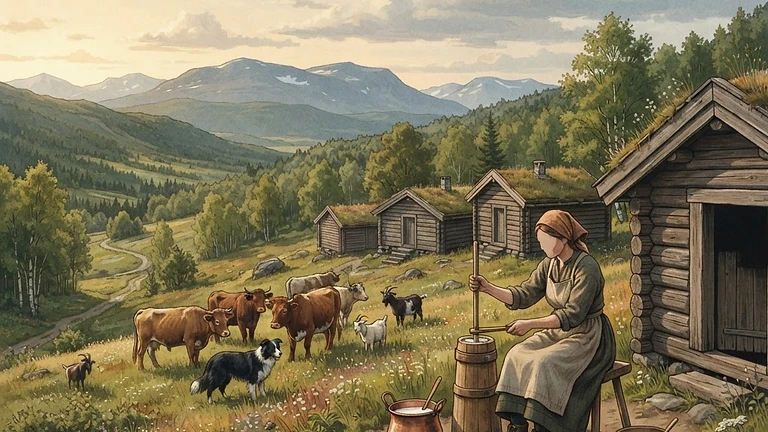
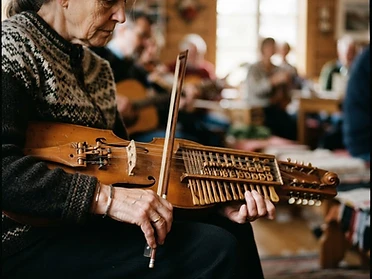
UNESCO Intangible Cultural Heritage: Summer farming at fäbod and seter: knowledge, traditions and practices related to the grazing of outlying lands and artisan food production · Nyckelharpa network, an innovative dissemination of a music and instrument-building tradition with roots in Sweden · Nordic clinker boat traditions · Land-of-Legends programme, for promoting and revitalizing the art of storytelling in Kronoberg Region

Stories


Sweden in the Atlas


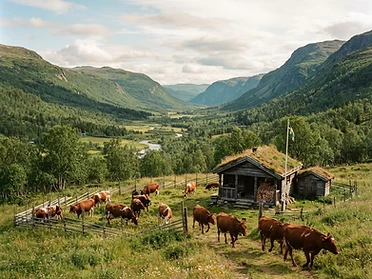
National Programme for Intangible Cultural Heritage
The programme provides a framework for the identification, documentation, and safeguarding of intangible cultural heritage across Sweden. It encourages local participation and supports projects that ensure the transmission of traditional knowledge to future generations.
- Instrument
- UNESCO Convention for the Safeguarding of the Intangible Cultural Heritage
- Year
- 2011
- Scope
- Sweden national policy