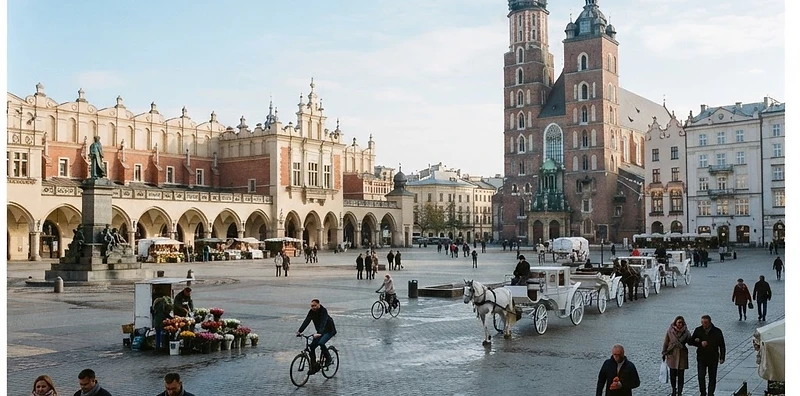
Poland
A large, rapidly ageing republic with a strong memory policy and a legally recognised regional language, Kashubian.
Local name: Polska
Recognised regional or minority languages: Kashubian, Silesian, German, Belarusian, Ukrainian, Lemko, Romani
Source labels and dataset codes are those published by the statistical authority named on each row. Figures are reproduced as retrieved, without interpolation.
Poland, known in its own language as Polska, is a nation located in Central Europe. The official language is Polish. Under the Council of Europe Charter for Regional or Minority Languages, Poland recognises Kashubian, Silesian, German, Belarusian, Ukrainian, Lemko, and Romani. The capital city is Warsaw. The country is defined by a strong sense of historical and cultural continuity, often shaped by its position between major European powers and its resilient national identity. Demographic continuity is currently challenged by a low fertility rate and an ageing population, which are significant structural factors in contemporary Polish society. Culturally, the country maintains a deep connection to its traditions, which are preserved through both state-supported institutions and community-led practices. These elements, combined with a stable parliamentary democracy, provide the framework for Poland's ongoing development within the European context.
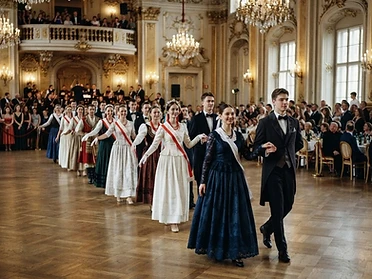
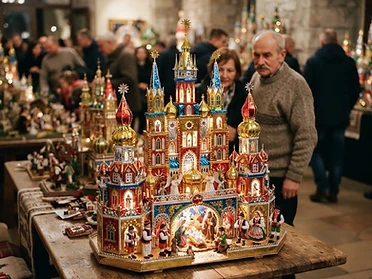
UNESCO Intangible Cultural Heritage: Basketry traditions · Polonaise, traditional Polish dance · Timber rafting · Falconry, a living human heritage · Flower carpets tradition for Corpus Christi processions · Tree beekeeping culture · Nativity scene (szopka) tradition in Krakow
Poland in the Atlas


National Programme for the Protection of Intangible Cultural Heritage
This policy framework aims to identify, document, and safeguard living heritage practices across Poland. It provides financial support for community-led projects and promotes the transmission of traditional skills to younger generations.
- Instrument
- Strategy
- Year
- 2023
- Scope
- Poland national policy