Norway
A wealthy ageing kingdom with Sámi consultation arrangements and a cultural sector financed mainly by public lotteries.
Local name: Norge
Recognised regional or minority languages: Sámi, Kven, Romani, Romanes
Source labels and dataset codes are those published by the statistical authority named on each row. Figures are reproduced as retrieved, without interpolation.
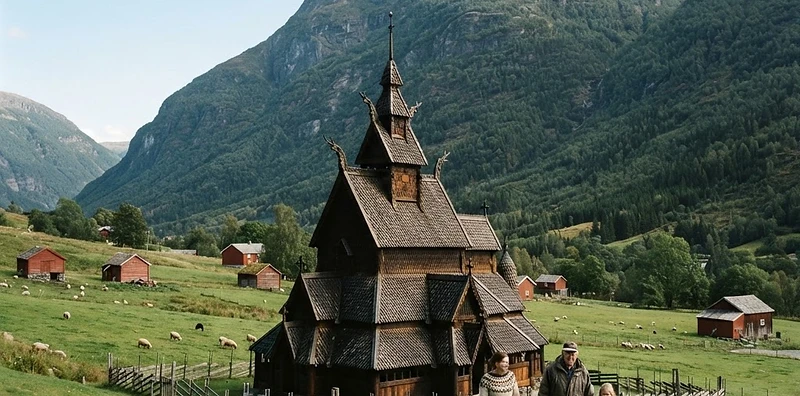
Norway, known locally as Norge, is a Nordic country located in Northern Europe. The official language is Norwegian, while the Sámi languages, Kven, Romani, and Romanes are recognised as regional or minority languages under the Council of Europe Charter. The capital city is Oslo. Norway is defined by its long coastline, mountainous terrain, and a social model that emphasises egalitarianism and the welfare state. Its demographic and cultural continuity is anchored by a strong commitment to indigenous rights, particularly regarding the Sámi people, and the preservation of traditional rural practices such as summer farming. The nation maintains a distinct cultural identity through the active safeguarding of intangible heritage, including traditional craftsmanship and folk music, which are integrated into modern educational and social frameworks.
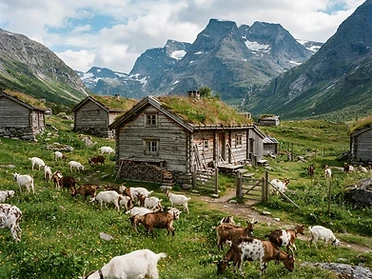
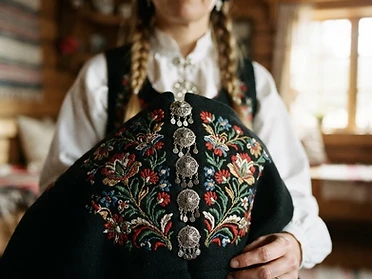
UNESCO Intangible Cultural Heritage: Traditional costumes in Norway, craftsmanship and social practice · Summer farming at fäbod and seter: knowledge, traditions and practices related to the grazing of outlying lands and artisan food production · Oselvar boat - reframing a traditional learning process of building and use to a modern context · Craft techniques and customary practices of cathedral workshops, or Bauhütten, in Europe, know-how, transmission, development of knowledge and innovation

Norway in the Atlas


The Cultural Rucksack (Den kulturelle skolesekken)
The Cultural Rucksack is a national scheme that ensures all pupils in primary and secondary school experience professional art and culture. It aims to provide students with access to high-quality cultural expressions, including intangible heritage, regardless of their background or location.
- Instrument
- National Budgetary Allocation and Cultural Strategy
- Year
- 2024
- Scope
- Norway national policy