Traditional Costumes (Bunad)
The bunad is a traditional Norwegian costume based on historical folk clothing. It is decorated with intricate embroidery, silver jewellery, and specific regional patterns.

Explanation
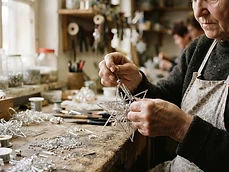
Bunads are tailored garments made from natural materials like wool, linen, and silk. Each costume is tied to a specific geographic region, reflecting local history and social identity. The craftsmanship involves complex techniques passed down through generations, including needlework and metalwork. Today, they are worn during national holidays, weddings, and other significant social events.
Origin & History
The tradition evolved from 18th and 19th-century rural folk dress. It gained national significance during the 19th-century romantic nationalism movement as a symbol of Norwegian identity.
Why It Matters
It serves as a tangible link to regional heritage and ancestral craftsmanship. The practice fosters social cohesion and pride in local history.
Living Practice Today
Bunads remain highly popular and are worn by a large portion of the population on Constitution Day. Many Norwegians own a bunad, which is often passed down as a family heirloom.
UNESCO Intangible Cultural Heritage Representative List; Norwegian Institute for Bunad and Folk Costume