Iceland
A small island society with deliberate language technology policy to keep Icelandic viable in a digital public sphere.
Local name: Ísland
Recognised regional or minority languages: Icelandic Sign Language
Source labels and dataset codes are those published by the statistical authority named on each row. Figures are reproduced as retrieved, without interpolation.
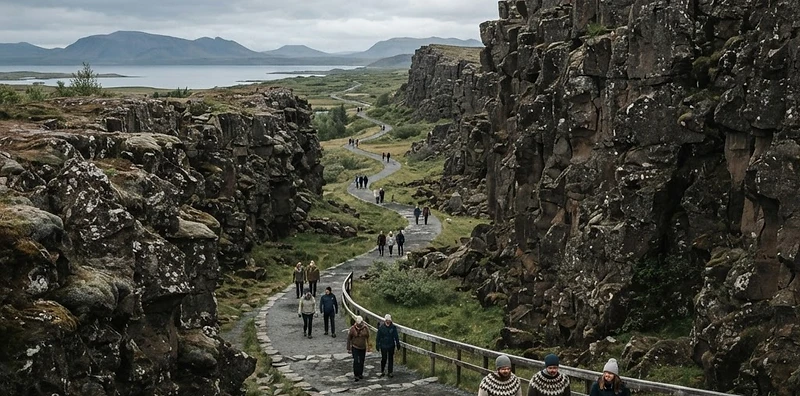
Iceland, known locally as Ísland, is a Nordic island nation situated in the North Atlantic Ocean. The official language is Icelandic, and Icelandic Sign Language is a recognised minority language under the European Charter for Regional or Minority Languages. The capital and largest city is Reykjavík. Iceland is defined by its unique demographic and cultural continuity, rooted in its status as one of the world's oldest parliamentary democracies, with the Althingi established in 930 AD. The nation maintains a high degree of social cohesion and cultural preservation, supported by a small, highly educated population and a strong commitment to the Icelandic language. Geographically isolated yet deeply integrated into European economic and political frameworks, Iceland balances its ancient heritage with modern governance, maintaining a distinct identity shaped by its volcanic landscape and maritime history.
UNESCO Intangible Cultural Heritage: Icelandic flatbread (flatkaka) baking · Craft of the Icelandic knitted sweater (lopapeysa) · Falconry, a living human heritage

Iceland in the Atlas



Act on the Status of the Icelandic Language and Icelandic Sign Language
This legislation establishes the legal status of the Icelandic language as the national language of Iceland. It mandates that the state must ensure the development and use of the language in all areas of society, including education, media, and technology.
- Instrument
- Act No. 61/2011
- Year
- 2011
- Scope
- Iceland national policy