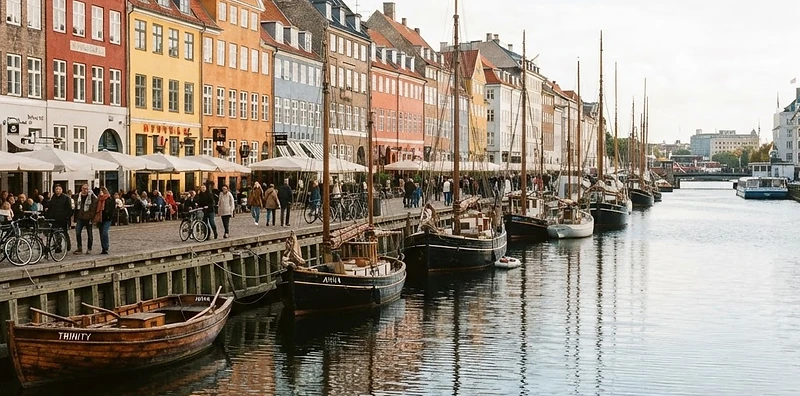
Denmark
A welfare state with a strong associational tradition, where cultural heritage and civic participation are treated as one policy field.
Local name: Danmark
Recognised regional or minority languages: Faroese, Greenlandic, German
Source labels and dataset codes are those published by the statistical authority named on each row. Figures are reproduced as retrieved, without interpolation.
Denmark, known locally as Danmark, is a Nordic country located in Northern Europe. The official language is Danish, while Faroese, Greenlandic, and German are recognised regional or minority languages under the European Charter for Regional or Minority Languages. The capital is Copenhagen. Denmark is a constitutional monarchy characterised by a high degree of social cohesion, a robust welfare model, and a strong commitment to democratic governance. Its demographic and cultural continuity is defined by a long-standing administrative tradition based on the Civil Registration System, which provides precise longitudinal data, and a cultural identity deeply rooted in Nordic cooperation and maritime heritage. The country maintains a stable population structure, supported by consistent integration policies and a high level of civic participation, ensuring the preservation of its social and institutional frameworks across generations.
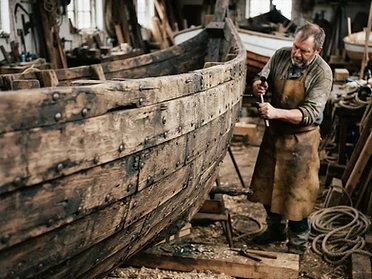
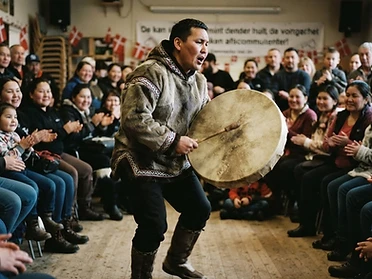
UNESCO Intangible Cultural Heritage: Nordic clinker boat traditions · Inuit drum dancing and singing
Denmark in the Atlas


The Danish Museum Act
The Museum Act provides the legal framework for the preservation and dissemination of Denmark's cultural heritage. It mandates that museums must document, research, and communicate the history of the country to ensure its continuity for future generations.
- Instrument
- Law (Museumsloven)
- Year
- 2023
- Scope
- Denmark national policy