Nordic clinker boat traditions
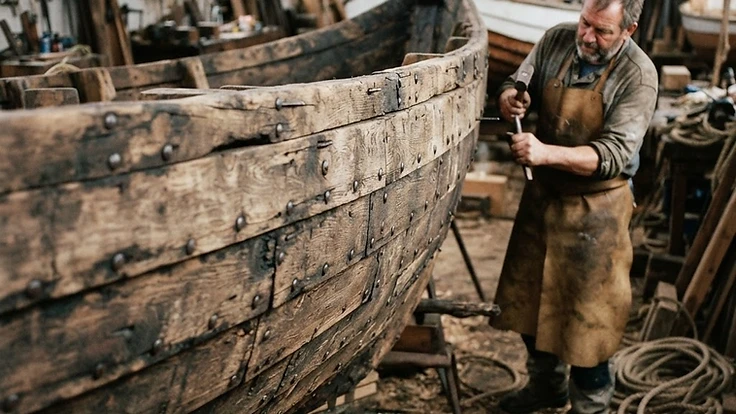
The clinker boat tradition involves building wooden boats using overlapping planks fastened with iron rivets. This ancient maritime technique is essential for navigating the shallow coastal waters of the Nordic region.
Explanation
The construction process relies on traditional knowledge passed down through generations of boatbuilders. The boats are characterised by their flexibility and strength, which allow them to withstand the challenging conditions of the North Sea and Baltic Sea. This practice encompasses not only the building process but also the maintenance and sailing skills required to operate these vessels. It represents a vital link to the maritime history of Denmark and its neighbouring countries.
Origin & History
The technique dates back to the Viking Age, where it was perfected for both trade and exploration. It has remained a continuous practice in coastal communities for over a millennium.
Why It Matters
It preserves unique artisanal skills that are not replicable by modern industrial manufacturing. The tradition fosters community identity and maintains a tangible connection to the maritime heritage of the North.
Living Practice Today
Today, the tradition is maintained by small-scale boatyards and volunteer associations that restore and sail these historic vessels. It remains a living craft supported by educational programmes and maritime museums.
UNESCO Intangible Cultural Heritage List; Danish Agency for Culture and Palaces