Alpine pasture season
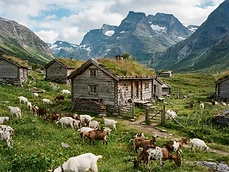
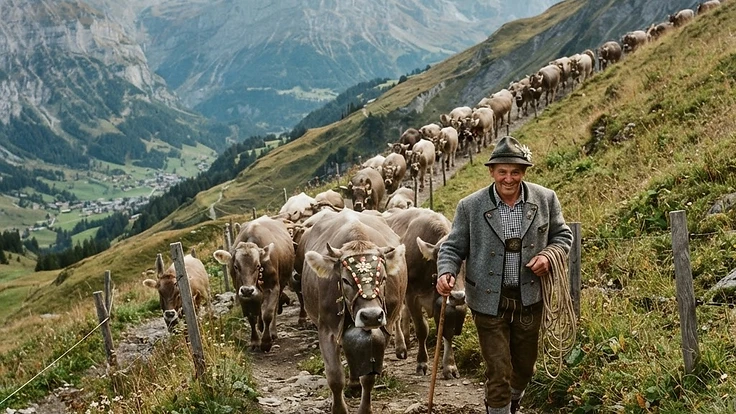
The Alpine pasture season involves the seasonal movement of livestock to high-altitude mountain pastures during the summer months. This practice is central to the cultural identity and agricultural heritage of the Swiss Alps.
Explanation
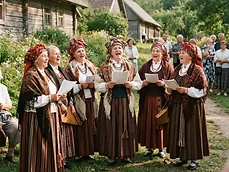
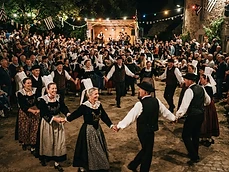
Farmers and their families move their cattle, goats, and sheep to higher elevations to graze on fresh mountain grasses, which significantly influences the quality of local dairy products. This tradition requires specialized knowledge of mountain terrain, weather patterns, and animal husbandry. It is deeply embedded in the social fabric of Alpine communities, often accompanied by communal festivals and traditional music. The practice ensures the maintenance of mountain landscapes and biodiversity through sustainable grazing techniques.
Origin & History
This practice originated centuries ago as a necessity for survival in mountainous regions where valley land was insufficient for year-round grazing. It has evolved into a structured seasonal cycle that defines the rhythm of life for mountain farming communities.
Why It Matters
It is vital for the preservation of traditional agricultural knowledge and the maintenance of the Alpine ecosystem. The practice fosters social cohesion and reinforces the connection between the population and their natural environment.
Living Practice Today
Today, the Alpine pasture season remains a vibrant economic and cultural activity, supported by modern infrastructure while retaining its traditional methods. It continues to be a primary source of high-quality artisanal cheese production and a key element of Swiss tourism.
UNESCO Intangible Cultural Heritage List; Federal Office of Culture