Mediterranean Food Heritage
Mediterranean food heritage encompasses the shared food traditions of the countries around the Mediterranean Sea, from olive oil and bread to fish, vegetables, wine and cheese. Inscribed on the UNESCO list of intangible heritage, the Mediterranean diet is more than a set of ingredients: it includes skills, rituals, hospitality and seasonal rhythms. Food heritage transmits family knowledge, regional identity and agricultural practice across generations. Its continuity shows how a food tradition can carry social meaning and sustain local economies while adapting to contemporary life.
Explanation
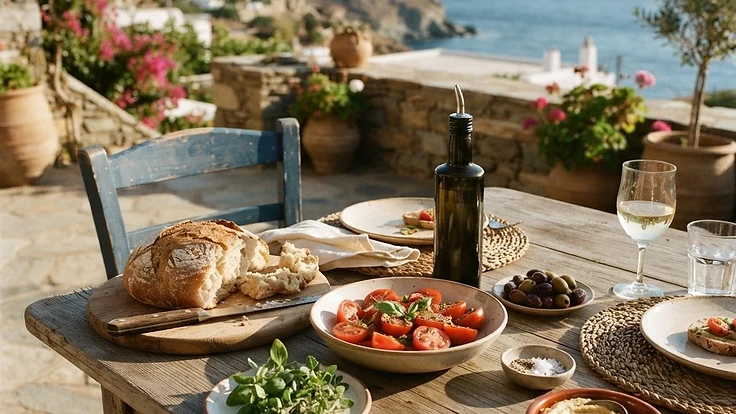
The Mediterranean diet centres on olive oil, grains, vegetables, fish and shared meals, with regional variations across southern Europe, North Africa and the Levant.
Origin & History
Mediterranean food traditions developed over millennia from agriculture, trade and shared climatic conditions.
Why It Matters
Food heritage transmits family knowledge, regional identity and agricultural practice across generations.
Living Practice Today
Mediterranean food traditions are widely practised and recognised internationally as living heritage.
UNESCO Intangible Cultural Heritage; Mediterranean diet foundation.