Mediterranean diet
The Mediterranean diet is a set of skills, knowledge, and rituals concerning crops, harvesting, fishing, and food preparation. It represents a lifestyle that has been central to Spanish social and cultural life for centuries.
Explanation
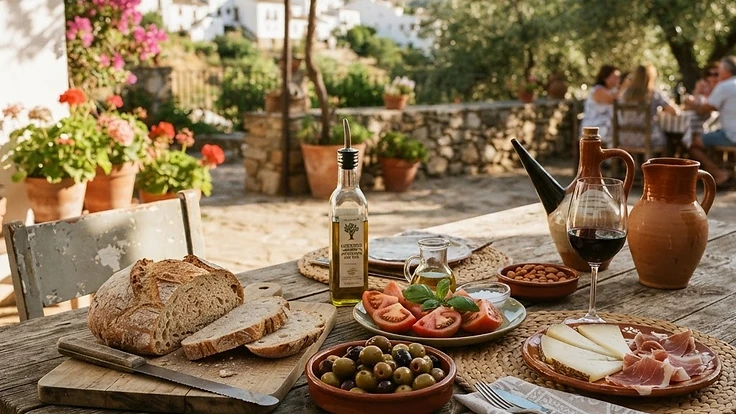
This cultural heritage encompasses the entire process of food production, from the cultivation of olives and grapes to the communal act of sharing meals. It emphasises the consumption of seasonal, local products and the importance of social interaction during dining. The diet is deeply linked to the landscape and the traditional agricultural practices of the Spanish Mediterranean coast. It is not merely a nutritional regimen but a social practice that reinforces community bonds.
Origin & History
The diet has its roots in the ancient agricultural practices of the Mediterranean basin, shaped by centuries of trade and cultural exchange. It has been documented as a fundamental aspect of Spanish rural and urban life since antiquity.
Why It Matters
It promotes sustainable agricultural practices and healthy living while preserving traditional culinary knowledge. The diet is a cornerstone of Spanish cultural identity and social interaction.
Living Practice Today
The Mediterranean diet remains the primary dietary pattern in Spain, integrated into daily life and festive celebrations. It continues to be promoted by health and cultural institutions as a model for sustainable living.
UNESCO Intangible Cultural Heritage; Spanish Ministry of Agriculture, Fisheries and Food