Lunar New Year
Lunar New Year, known as Spring Festival in China and Tet in Vietnam, is the most important annual festival across much of East Asia. It marks the beginning of the lunar calendar with family reunions, ancestral rites, symbolic foods, decorations and fireworks. The festival is defined by the return home: hundreds of millions of people travel to be with family. It transmits food traditions, kinship obligations and shared symbols across generations. Its scale and persistence make it one of the largest recurring cultural events on earth and a powerful example of how a calendar ritual sustains continuity.
Explanation
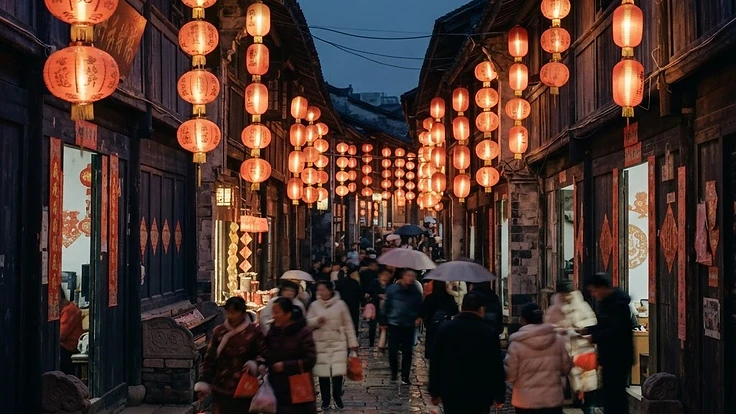
The festival centres on family reunion dinners, ancestral honouring, red decorations and the giving of lucky money. Each element carries symbolic meaning tied to prosperity, longevity and renewal.
Origin & History
Lunar New Year observances date back thousands of years and are rooted in agricultural cycles and ancestor veneration.
Why It Matters
It is one of the largest recurring human gatherings and a primary vehicle for transmitting family and food traditions.
Living Practice Today
Observed across China, Vietnam, Korea and diaspora communities worldwide, with mass travel and global cultural visibility.
UNESCO Intangible Cultural Heritage; national cultural ministries.