Alpine Transhumance
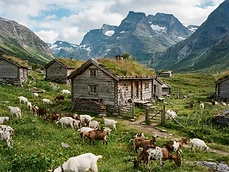
Alpine transhumance is the seasonal movement of livestock between lower valleys and high mountain pastures. This practice is deeply rooted in the agricultural history of Liechtenstein and shapes the landscape.
Explanation
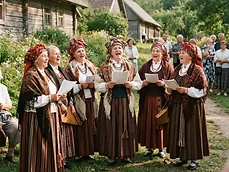
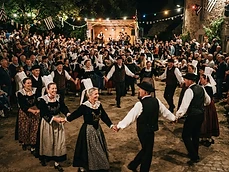
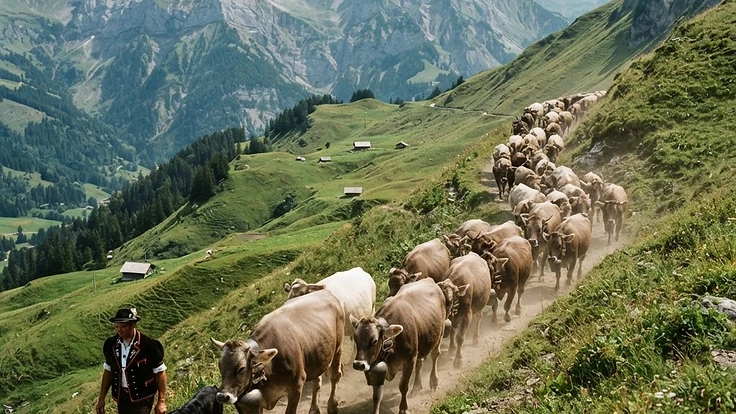
The practice involves farmers moving their cattle, sheep, and goats to higher altitudes during the summer months to graze on fresh alpine grass. This traditional pastoral system requires specific knowledge of animal husbandry, weather patterns, and mountain terrain management. It serves as a vital link between the community and the natural environment, maintaining biodiversity in alpine meadows. The seasonal migration is often accompanied by local festivals and communal gatherings.
Origin & History
Transhumance has been practiced in the Rhine Valley and surrounding mountains for centuries as a necessity for survival and efficient land use. It evolved from early subsistence farming methods into a structured seasonal cycle.
Why It Matters
It is essential for the preservation of cultural identity and the maintenance of the alpine ecosystem. The practice ensures the survival of traditional agricultural techniques and social cohesion among mountain communities.
Living Practice Today
Today, transhumance continues to be a living tradition, with farmers still driving livestock to mountain pastures every summer. It is supported by local agricultural associations and remains a visible part of the rural economy.
UNESCO Intangible Cultural Heritage; Office of Culture Liechtenstein