Artisanal know-how and culture of baguette bread
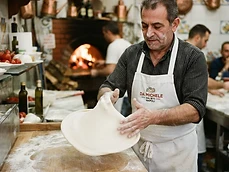
The baguette is a staple of French daily life, representing a specific artisanal process involving flour, water, salt, and yeast. It is a central element of social cohesion and daily culinary practice across the country.

Explanation
The production of the baguette requires precise knowledge of fermentation and baking techniques to achieve its characteristic crust and texture. Bakers must master the timing and temperature to ensure the quality of the bread, which is consumed daily by a large portion of the population. This practice is not merely a culinary act but a social ritual that connects individuals to their local bakeries. It remains a symbol of French identity and a testament to the importance of artisanal craftsmanship in modern society.
Origin & History
The baguette emerged as a distinct form of bread in the early 20th century, evolving from earlier bread-making traditions. It became standardised through professional regulations and the cultural habits of urban populations.
Why It Matters
It represents the preservation of traditional foodways in an era of industrialised production. The practice fosters community interaction and maintains the economic viability of local artisanal bakeries.
Living Practice Today
The baguette remains the most consumed bread in France, with thousands of bakeries operating daily. It is protected and promoted through national heritage recognition and professional training standards.
UNESCO Intangible Cultural Heritage List; Ministère de la Culture