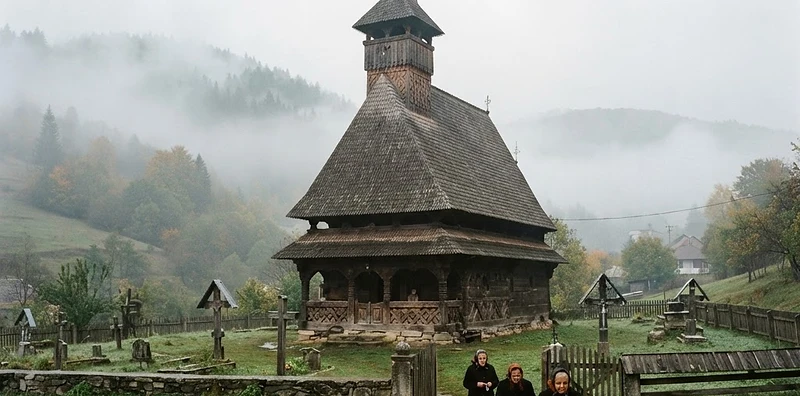
Romania
A country of mass emigration where rural depopulation and intangible heritage safeguarding are directly linked.
Local name: România
Recognised regional or minority languages: Hungarian, Romani, German, Ukrainian, Serbian, Slovak, Turkish, Tatar
Source labels and dataset codes are those published by the statistical authority named on each row. Figures are reproduced as retrieved, without interpolation.
Romania, known locally as România, is a country located in the subregion of Southeastern Europe. The official language is Romanian, while recognized regional or minority languages under the Council of Europe Charter include Hungarian, Romani, German, Ukrainian, Serbian, Slovak, Turkish, and Tatar. The capital city is Bucharest. Romania is defined by its structural demographic and cultural continuity, characterized by its Latin linguistic heritage, which distinguishes it from its Slavic-speaking neighbors, and a long-standing tradition of rural community-based cultural practices. The nation maintains a strong connection to its historical identity through the preservation of intangible heritage, such as traditional craftsmanship and ritualistic music, which have been passed down through generations. These elements, alongside a complex demographic landscape shaped by migration and natural change, form the core of the country's contemporary social and cultural fabric.
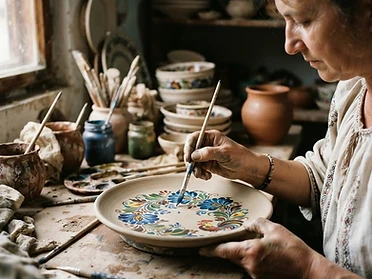
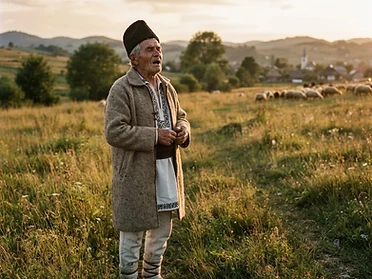
UNESCO Intangible Cultural Heritage: Căluş ritual · Doina · Craftsmanship of Horezu ceramics · Men’s group Colindat, Christmas-time ritual · Lad’s dances in Romania · Traditional wall-carpet craftsmanship in Romania and the Republic of Moldova · Cultural practices associated to the 1st of March · The art of the traditional blouse with embroidery on the shoulder (altiţă) — an element of cultural identity in Romania and the Republic of Moldova


Romania in the Atlas


Law on Protection of Intangible Cultural Heritage
This legislation provides the legal framework for the identification, documentation, and safeguarding of intangible cultural heritage in Romania. It establishes the responsibilities of state institutions in supporting the transmission of living traditions to future generations.
- Instrument
- Law no. 120 of 4th May 2006
- Year
- 2006
- Scope
- Romania national policy