Doina
The doina is a lyrical, solemn chant that is improvised and spontaneous, serving as the essence of Romanian folklore. It is a musical genre that has historically been central to the cultural expression of the Romanian people.
Explanation
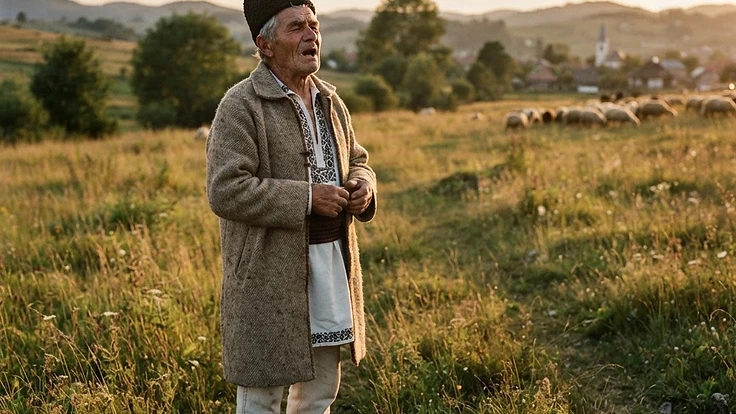
The doina is characterized by its emotional depth and its ability to convey a wide range of human feelings, from sorrow to joy. It is typically performed solo, often without instrumental accompaniment, allowing the performer to express personal experiences and reflections. The structure of the doina is flexible, enabling the singer to adapt the melody and lyrics to the context of the performance. It is deeply rooted in the rural traditions of Romania and has been a primary form of musical expression for centuries.
Origin & History
The doina has evolved over centuries as a fundamental part of Romanian oral tradition. It was historically the only musical genre in many rural communities until the early 20th century.
Why It Matters
It is considered the soul of Romanian musical heritage, reflecting the historical and social experiences of the population. Its preservation is crucial for understanding the evolution of Romanian folk music.
Living Practice Today
The doina is still performed at weddings, holidays, and other community gatherings, where it continues to resonate with audiences. It is also studied and performed by contemporary folk musicians to ensure its survival.
UNESCO Intangible Cultural Heritage Representative List