Portugal
An ageing coastal republic where emigration history, fado and rural depopulation shape the continuity debate.
Local name: Portugal
Recognised regional or minority languages: Mirandese, Portuguese Sign Language
Source labels and dataset codes are those published by the statistical authority named on each row. Figures are reproduced as retrieved, without interpolation.
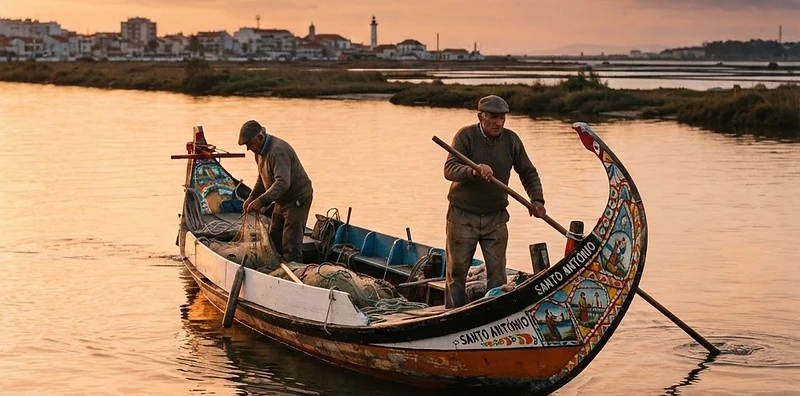
Portugal, known locally as Portugal, is a nation located in the southwestern corner of Europe on the Iberian Peninsula. Its capital is Lisbon. The country recognises Portuguese as its official language, while Mirandese and Portuguese Sign Language are protected as regional or minority languages under the Council of Europe Charter. Portugal is defined by a long history of maritime exploration and a distinct cultural identity that has maintained continuity through centuries of political evolution. Demographically, the country is currently experiencing a significant shift characterized by an ageing population and a reliance on net migration to sustain its total population numbers. Culturally, Portugal preserves its heritage through a strong emphasis on traditional music, gastronomy, and community-based rituals, which serve as vital links between its historical roots and contemporary society.
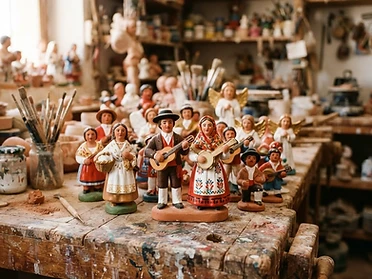
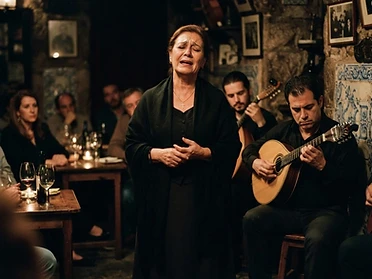
UNESCO Intangible Cultural Heritage: Fado, urban popular song of Portugal · Mediterranean diet · Cante Alentejano, polyphonic singing from Alentejo, southern Portugal · Falconry, a living human heritage · Craftmanship of Estremoz clay figures · Winter festivities, Carnival of Podence · Community festivities in Campo Maior · Equestrian art in Portugal

Portugal in the Atlas


National Inventory of Intangible Cultural Heritage
The National Inventory is a strategic framework designed to identify, document, and safeguard intangible cultural manifestations across Portugal. It provides the necessary legal and administrative structure for communities to register their traditions and apply for national and international recognition.
- Instrument
- Decree-Law No. 139/2009
- Year
- 2009
- Scope
- Portugal national policy