Fado, urban popular song of Portugal
Fado is a traditional musical genre characterized by mournful tunes and lyrics often about the sea or the life of the poor. It is deeply embedded in the urban culture of Lisbon and serves as a symbol of Portuguese identity.
Explanation
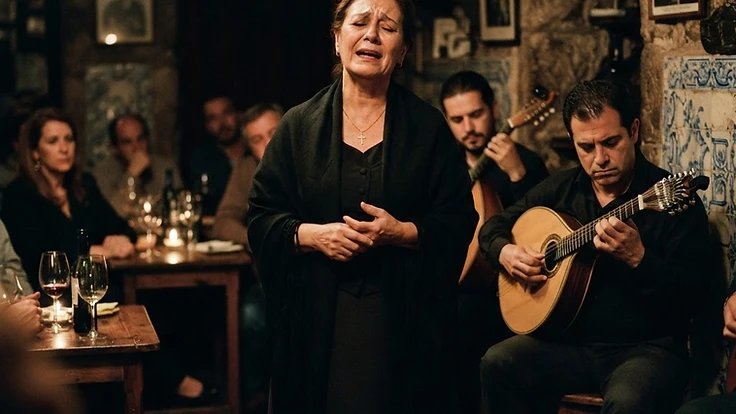
Fado emerged in the early 19th century in the working-class districts of Lisbon. It is typically performed by a solo singer accompanied by a Portuguese guitar and a classical guitar. The songs often express feelings of longing, known as saudade, and reflect the social realities of the city. It has evolved from a spontaneous street performance into a sophisticated professional art form.
Origin & History
The genre originated in the taverns and brothels of Lisbon's historic quarters during the 1820s. It was heavily influenced by maritime songs and the cultural exchanges of the Portuguese empire.
Why It Matters
Fado is a vital expression of Portuguese cultural identity and emotional resilience. It provides a unique medium for communities to articulate their shared history and collective memory.
Living Practice Today
Today, Fado is performed in dedicated houses known as casas de fado and in major concert halls worldwide. It remains a central element of social gatherings and cultural festivals across Portugal.
UNESCO Intangible Cultural Heritage Representative List; Direção-Geral do Património Cultural