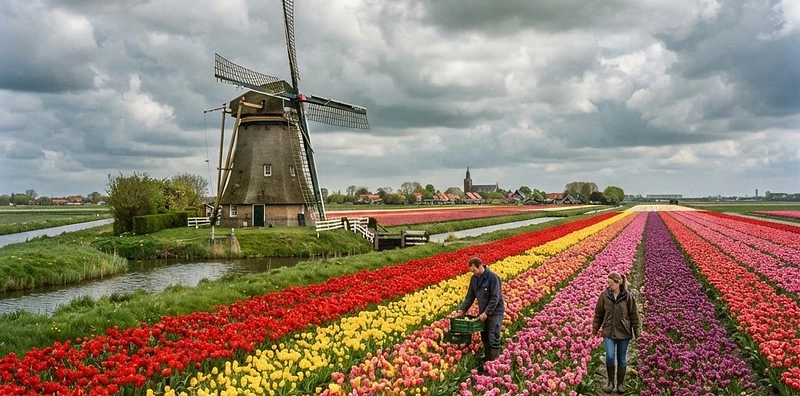
Netherlands
A densely urbanised kingdom with a long record of minority language protection and water-driven regional identities.
Local name: Nederland
Recognised regional or minority languages: Frisian, Low Saxon, Limburgish, Papiamento
Source labels and dataset codes are those published by the statistical authority named on each row. Figures are reproduced as retrieved, without interpolation.
The Netherlands, known locally as Nederland, is a constituent country of the Kingdom of the Netherlands located in Western Europe. The official language is Dutch, while Frisian, Low Saxon, Limburgish, and Papiamento are recognised regional or minority languages under the European Charter for Regional or Minority Languages. The capital city is Amsterdam, although the seat of government is located in The Hague. The nation is defined by its historical struggle against water, which has necessitated advanced hydraulic engineering and a culture of consensus-based decision-making known as the polder model. Demographically, the country is characterised by high population density and a long-standing tradition of international trade and maritime commerce. Cultural continuity is maintained through a robust framework of state-supported institutions and a strong emphasis on the preservation of both tangible and intangible heritage, ensuring that historical practices remain integrated into contemporary social life.
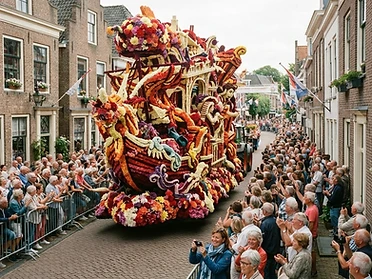
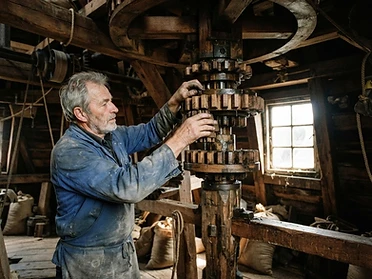
UNESCO Intangible Cultural Heritage: Corso culture, flower and fruit parades in the Netherlands · Rotterdam Summer Carnival · Traditional irrigation: knowledge, technique, and organization · Falconry, a living human heritage · Craft of the miller operating windmills and watermills

Netherlands in the Atlas


International Cultural Policy 2025-2028
This policy framework outlines the Dutch government's strategy for international cultural cooperation, focusing on the preservation of shared heritage and the promotion of cultural diplomacy. It emphasizes the role of cultural institutions in documenting their environmental impact and fostering sustainable development through global partnerships.
- Instrument
- Policy Framework (International Cultural Policy 2025-2028)
- Year
- 2024
- Scope
- Netherlands national policy