Estonia
A small digital state where language survival, the Russophone minority and the song festival tradition frame cultural policy.
Local name: Eesti
Recognised regional or minority languages: Russian-speaking minority, Võro, Seto
Source labels and dataset codes are those published by the statistical authority named on each row. Figures are reproduced as retrieved, without interpolation.
Estonia, known locally as Eesti, is a nation situated in Northern Europe, bordering the Baltic Sea and the Gulf of Finland. Its capital is Tallinn. The official language is Estonian, which serves as the primary vehicle for national identity and administration. The country also recognises the cultural rights of its Russian-speaking minority, as well as the distinct linguistic and cultural traditions of the Võro and Seto peoples. Estonia is defined by its historical continuity as a Baltic state, its rapid transition to a digital-first society, and a strong emphasis on the preservation of intangible cultural heritage, particularly through large-scale communal events and regional folk practices. These structural elements, combined with a commitment to maintaining its unique Finno-Ugric linguistic heritage, underpin the country's demographic and cultural resilience in the modern era.
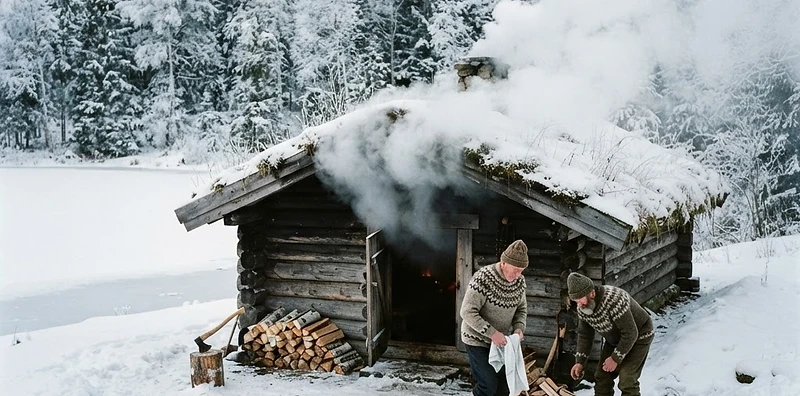
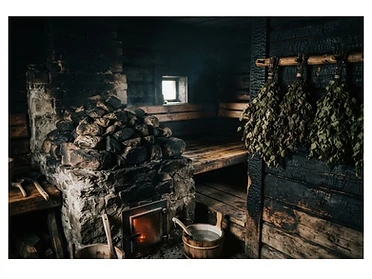
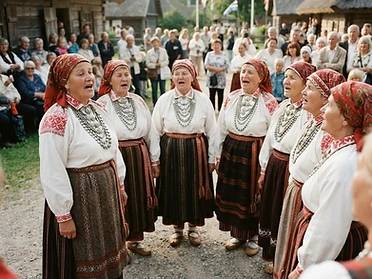
UNESCO Intangible Cultural Heritage: Baltic song and dance celebrations · Kihnu cultural space · Seto Leelo, Seto polyphonic singing tradition · Smoke sauna tradition in Võromaa · Building and use of expanded dugout boats in the Soomaa region · Cooking and eating Mulgi puder, traditional mashed potato with barley in the Mulgimaa region, Estonia · Pysanka, Ukrainian tradition and art of decorating eggs

Estonia in the Atlas


Guiding Principles for Estonian Cultural Policy
This policy framework establishes the state's commitment to supporting community-led cultural initiatives and the preservation of intangible heritage. It mandates the integration of cultural education into the national curriculum and provides funding for regional cultural centers.
- Instrument
- Strategy
- Year
- 2020
- Scope
- Estonia national policy