Seto Leelo, Seto polyphonic singing tradition
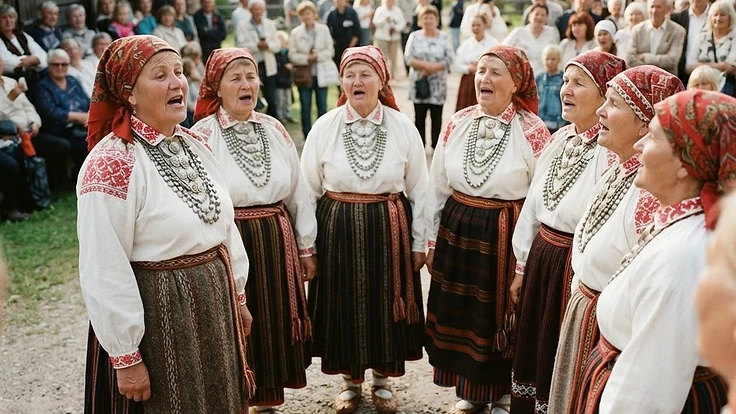
Seto Leelo is a unique polyphonic singing tradition practiced by the Seto people in southeastern Estonia. It combines ancient runic singing with a specific multi-part vocal structure performed primarily by women.
Explanation
The singing is led by a lead singer who improvises verses, while the choir joins in with a refrain that repeats the main melody. The performance is deeply connected to the Seto community's social life, accompanying weddings, festivals, and daily work. The singers often wear traditional, intricately embroidered folk costumes that signify their regional identity. This vocal tradition is a key marker of the Seto people's distinct cultural heritage.
Origin & History
Seto Leelo has its roots in ancient Finno-Ugric oral traditions that have been preserved in the isolated Setomaa region. It has evolved over centuries as a communal expression of history and emotion.
Why It Matters
It is a vital tool for preserving the Seto language and historical memory. The tradition fosters a strong sense of belonging and continuity among the Seto community.
Living Practice Today
Leelo is performed regularly at community gatherings and festivals, with dedicated choirs maintaining the repertoire. It is taught to children in local schools and community centers to ensure the tradition continues.
UNESCO Intangible Cultural Heritage List; Estonian Literary Museum