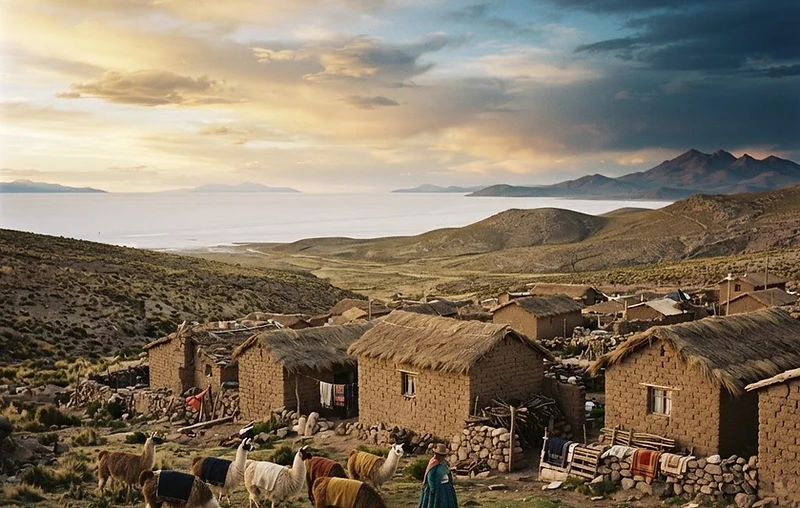
Bolivia
Bolivia is an Andean nation where indigenous peoples, languages and textile traditions are central to national identity. Quechua and Aymara carry deep historical continuity, and the country's politics have foregrounded indigenous heritage. Bolivia illustrates how Andean communities preserve weaving, agriculture and social organisation across generations while engaging with a modern state.
Catholic majority; indigenous spiritual traditions.
Bolivia is a plurinational state: its 2009 Constitution recognises thirty-six official languages, among them Quechua (Runa Simu), Aymara and Guaraní alongside Spanish. The Aymara ayllu of the Altiplano and the Quechua communities of the valleys and the Cochabamba highlands live alongside lowland peoples such as the Guaraní of the Chaco, the Moxos of the Llanos de Moxos and the Yuracaré. Continuity here is carried by textile traditions in Oruro and Potosí, the Carnaval de Oruro inscribed by UNESCO, the charango and the morenada, and by the Andean idea of vivir bien — suma qamaña in Aymara, sumaq kawsay in Quechua — which frames wellbeing as balance with the community and the land rather than accumulation.
Local names and languages — Estado Plurinacional de Bolivia · Bulibiya Suyu · Quechua (Runa Simu), Aymara, Guaraní

Stories
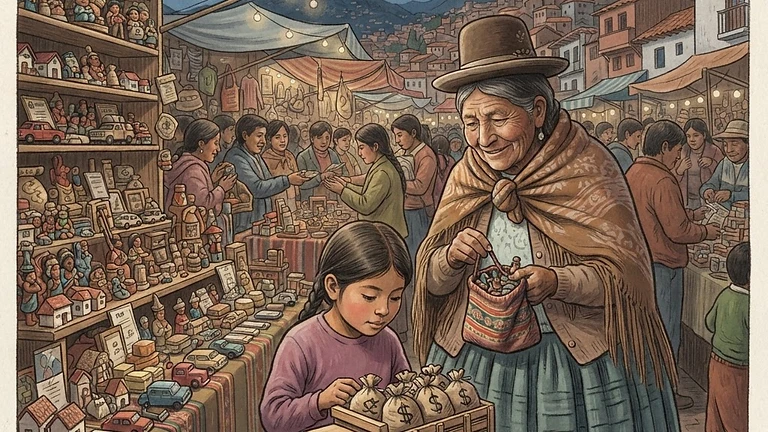
Tiny Ambitions: The Evolution of La Paz’s Alasita Festival
Alasita, a recognized UNESCO intangible cultural heritage, transforms the streets of La Paz into a marketplace of miniature dreams and ancestral blessings.

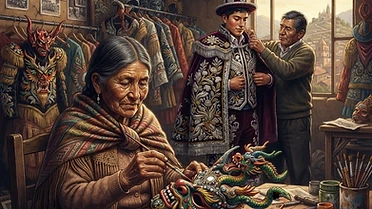
The Living Tapestry of the Carnival of Oruro
The Carnival of Oruro stands as a vibrant testament to Andean cultural survival, where centuries of artistic tradition blend indigenous cosmology with historical influences.

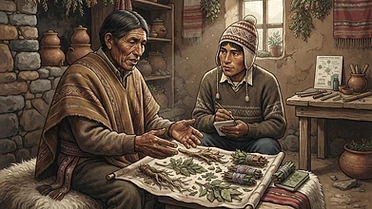
Healing Traditions: The Kallawaya of the Andes
The Kallawaya people maintain a sophisticated system of traditional medicine through oral history and botanical expertise, supported by modern UNESCO-backed safeguarding efforts.