The Living Voice: UNESCO and the Art of Italian Opera
An exploration of the 2023 UNESCO inscription of the practice of opera singing in Italy, marking a milestone in the preservation of vocal tradition and communal performance.
- The practice of opera singing in Italy was inscribed on the UNESCO Representative List of the Intangible Cultural Heritage of Humanity in 2023.
- Italy currently has 21 elements recognized on the UNESCO Representative List of the Intangible Cultural Heritage of Humanity.
- UNESCO recognizes the practice as a dynamic art form passed down through generations.
- Local theaters are identified as primary community hubs for the preservation and performance of the practice.
- The Italian Ministry of Foreign Affairs and International Cooperation highlights opera as a central component of its cultural diplomacy.
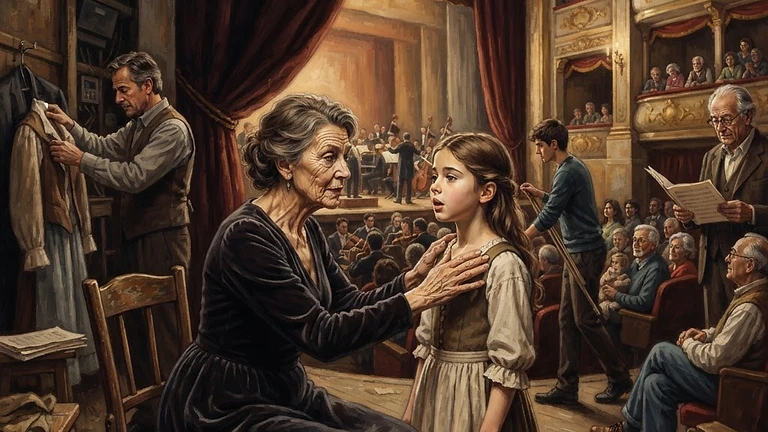
The Living Voice: UNESCO and the Art of Italian Opera: AI-generated editorial illustration for NATION CONTINUITY.
A Tradition Transformed
In 2023, the practice of opera singing in Italy was officially inscribed on the UNESCO Representative List of the Intangible Cultural Heritage of Humanity. This recognition highlights opera not as a static historical relic, but as a dynamic cultural practice that continues to evolve through the transmission of complex vocal techniques and performance traditions from maestros to students across generations. According to UNESCO, this element represents a vital aspect of social and cultural expression in Italy.
Community Hubs and Civic Identity
Opera in Italy serves as more than just a musical performance; it functions as a pillar of local identity. Historically and currently, local theaters serve as community hubs where the practice is nurtured and shared. These institutions act as vital conduits for heritage, allowing communities to engage with artistic production in a way that ties the individual performer to the collective cultural memory of their region. The Italian Ministry of Foreign Affairs and International Cooperation notes that this engagement is part of a broader, ongoing national effort to preserve and promote its diverse intangible heritage on the global stage.


Safeguarding and Sustainability
The inscription process underscores the necessity of active safeguarding measures. As with many intangible practices, the future of opera depends on the continued accessibility of training facilities and the ongoing relevance of the art form to younger populations. The practice is defined by its ability to adapt while maintaining its core technical rigor—a balance that UNESCO emphasizes as critical to the viability of any intangible cultural element. Italy currently counts 21 elements on its UNESCO intangible heritage list, each reflecting a unique intersection of history, labor, and creative expression.
Sources
- [1] UNESCO Intangible Cultural Heritage: Italy. (2026). https://ich.unesco.org/en/state/italy-IT
- [2] Ministry of Foreign Affairs and International Cooperation (MAECI). Italy and UNESCO. https://www.esteri.it/en/temi/diplomazia_culturale/cooperculturale/litalia-e-lunesco
UNESCO Intangible Cultural Heritage — Italy - UNESCO Intangible Cultural Heritage; Ministry of Foreign Affairs and International Cooperation — Italy and UNESCO
The NATION CONTINUITY Editorial Desk produces AI-assisted editorial content — research, drafting and media generated under the publication's source, quality and discovery standards, then reviewed before publication.