Pysanka
Pysanka is the traditional Ukrainian art of decorating eggs using a wax-resist method. It involves intricate geometric and floral patterns that carry symbolic meanings related to spring and renewal.

Explanation
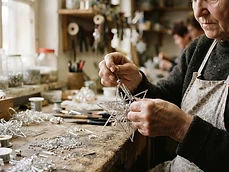
The process requires a stylus called a kistka to apply molten beeswax onto the eggshell before dipping it into successive dye baths. Each color and motif is carefully chosen to represent specific wishes for health, fertility, or protection. This practice is deeply embedded in the pre-Christian and Christian calendar, serving as a vital marker of cultural identity. It is passed down through generations within families and community workshops.
Origin & History
The tradition has ancient roots in Slavic folklore, predating the introduction of Christianity to the region. It evolved from pagan solar rituals into a sophisticated folk art form integrated into Easter celebrations.
Why It Matters
It serves as a primary vehicle for transmitting symbolic visual language and historical narratives. The practice reinforces community cohesion and the continuity of intangible heritage in the face of external pressures.
Living Practice Today
Pysanka remains a vibrant practice across Ukraine, with modern artisans blending traditional techniques with contemporary artistic expression. It is frequently featured in national exhibitions and educational programs for youth.
UNESCO Intangible Cultural Heritage List; Ministry of Culture and Strategic Communications of Ukraine