Kosiv painted ceramics
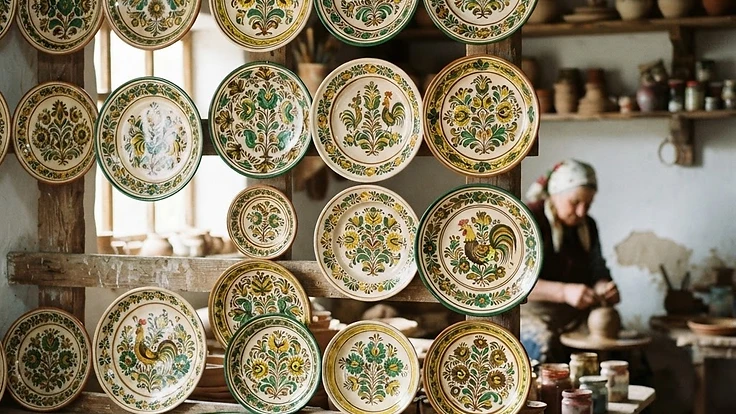
Kosiv painted ceramics are a distinct style of earthenware characterized by a unique sgraffito technique and a specific color palette. The craft originated in the Hutsul region of the Carpathian Mountains.
Explanation
The technique involves scratching designs into a layer of white clay slip, which is then fired and painted with green, yellow, and brown pigments. The motifs often depict scenes from daily life, local flora, fauna, and religious iconography. These ceramics are not merely decorative but functional, historically used for household items like plates, bowls, and tiles. The craft requires specialized knowledge of clay preparation and kiln firing that has been preserved by local masters.
Origin & History
The craft emerged in the 18th century in the town of Kosiv, becoming a hallmark of Hutsul material culture. It flourished as a trade that connected mountain communities with broader regional markets.
Why It Matters
It represents the aesthetic and social history of the Hutsul people, documenting their relationship with the natural environment. The preservation of this craft is essential for maintaining the regional diversity of Ukrainian folk art.
Living Practice Today
Today, Kosiv ceramics are produced by a dedicated community of artisans who maintain traditional workshops. The craft is supported by local museums and cultural centers that promote its recognition as a national treasure.
UNESCO Intangible Cultural Heritage List; National Museum of Hutsulshchyna and Pokuttya Folk Art