Renaissance Workshop Tradition
The Renaissance workshop tradition refers to the system of masters, apprentices and studios that produced the art, craft and scientific instruments of the European Renaissance. It transmitted technical knowledge through hands-on apprenticeship, linking art, science and commerce. The workshop model shaped how skills, materials and design knowledge were passed on, and its legacy persists in contemporary craft and design education. The tradition illustrates how continuity of technique depends on structured transmission between generations of practitioners.
Explanation
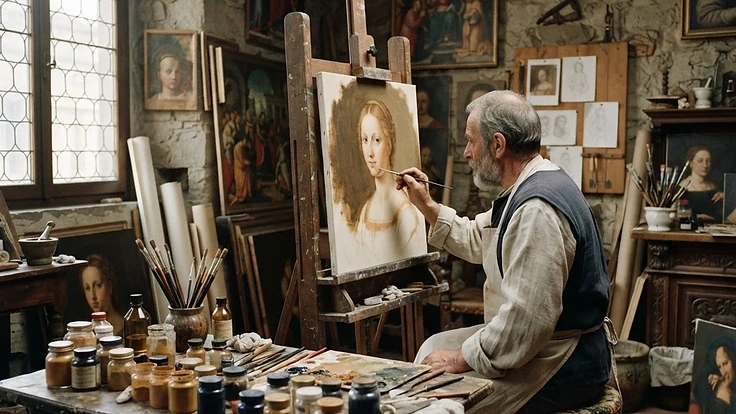
Workshops combined master, journeymen and apprentices, transmitting painting, sculpture, printing and instrument-making through direct practice.
Origin & History
The workshop system was central to European craft and art production from the late medieval period through the Renaissance.
Why It Matters
It shows how technical and artistic knowledge is transmitted across generations through structured apprenticeship.
Living Practice Today
The workshop model persists in craft education, design studios and conservation training.
European art history archives; Victoria and Albert Museum records.