Māori Cultural Continuity
Māori cultural continuity encompasses the language, carving, weaving, performing arts and protocols of the indigenous Māori people of New Zealand. The Māori renaissance of recent decades has strengthened te reo Māori through education and media, and traditions such as haka, hui and whakapapa remain central to identity. The case illustrates how an indigenous culture can renew itself within a modern state through language revitalisation, institutional support and community commitment, and how cultural continuity depends on both policy and lived practice.
Explanation
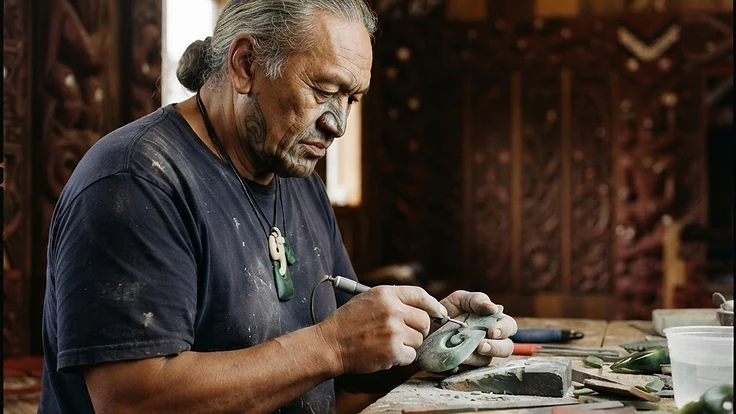
Māori continuity is sustained through marae, kapa haka, carving, weaving and the teaching of te reo Māori in schools and media.
Origin & History
Māori traditions date to the settlement of New Zealand by Polynesian voyagers and have been renewed through a modern cultural renaissance.
Why It Matters
It shows how an indigenous culture can renew itself within a modern state through policy and practice.
Living Practice Today
Te reo Māori is taught and broadcast, and Māori protocols and arts are central to New Zealand public life.
Te Puni Kokiri; Te Taura Whiri i te Reo Māori.