Sutartinės, Lithuanian multipart songs
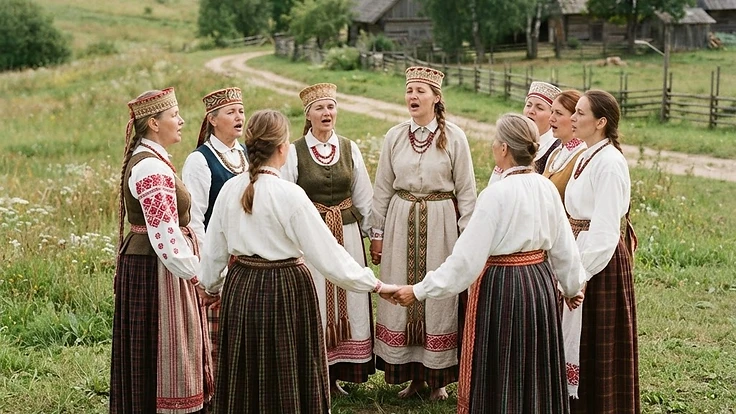
Sutartinės are ancient Lithuanian polyphonic songs performed by women, characterized by a unique style of dissonance and rhythmic complexity. These songs are deeply rooted in the agrarian lifestyle and are traditionally performed during festivals and communal gatherings.
Explanation
The performance of Sutartinės involves a specific technique where singers perform in two or three parts, often using a canon-like structure. The music is noted for its seconds-based intervals, which create a distinct, archaic sound that differentiates it from other European folk traditions. These songs serve as a vital link to pre-Christian Baltic culture, preserving ancient linguistic patterns and mythological themes. They are typically performed in a group setting, emphasizing social cohesion and the collective memory of the community.
Origin & History
The tradition dates back to ancient Baltic rituals and has been passed down through oral transmission for centuries. It was historically associated with agricultural work and seasonal celebrations.
Why It Matters
Sutartinės represent a unique musical language that reflects the identity and historical continuity of the Lithuanian people. They are a critical element of intangible heritage that maintains the connection between modern society and ancestral practices.
Living Practice Today
Today, Sutartinės are performed by folk ensembles and are a staple of national song festivals. They are actively taught in music schools to ensure the preservation of the vocal technique for future generations.
UNESCO Intangible Cultural Heritage List; Lithuanian National Culture Centre