Hungarian string band tradition
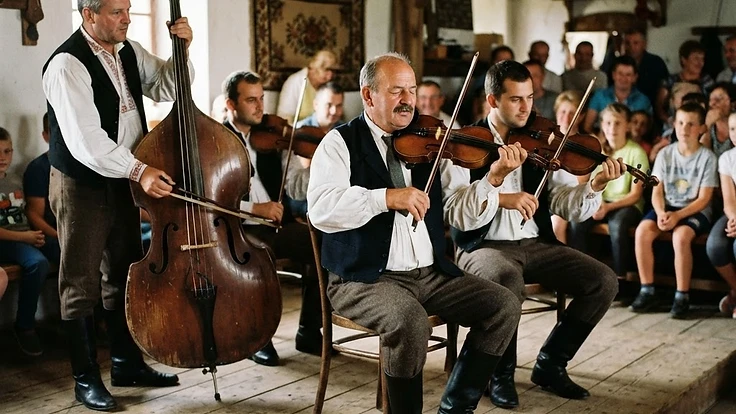
The Hungarian string band tradition involves the performance of folk music by small ensembles typically consisting of violins, a viola, and a double bass. This musical style is essential to the preservation of rural dance and social customs.
Explanation
These bands provide the musical accompaniment for traditional dance houses and community celebrations. The repertoire is passed down through oral tradition and apprenticeship within families or local communities. The music is characterized by specific rhythmic structures and improvisational elements that vary by region. It remains a fundamental component of Hungarian folk culture and social life.
Origin & History
The tradition evolved from centuries of rural musical practice where string ensembles were the primary source of entertainment at weddings and village festivals. It has been systematically documented by ethnomusicologists since the early 20th century.
Why It Matters
It is a critical vehicle for the transmission of regional musical dialects and historical folk narratives. The tradition ensures that the connection between music, dance, and community identity remains unbroken.
Living Practice Today
The tradition is currently maintained through the dance house movement and formal music education programs. It continues to be performed at both local village events and national cultural festivals.
UNESCO Intangible Cultural Heritage List; Hungarian Heritage House