Busó festivities at Mohács
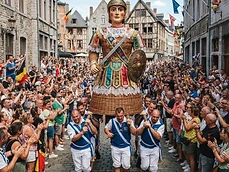
The Busó festivities are a traditional end-of-winter carnival held in the town of Mohács. Participants wear wooden masks and large woolly cloaks to perform rituals intended to scare away winter.

Explanation
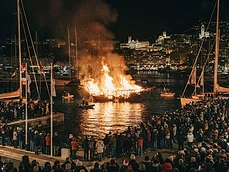
This annual event features groups of people known as Busós who parade through the streets in elaborate costumes. The tradition includes the burning of a coffin to symbolize the death of winter and the arrival of spring. It serves as a vital community gathering that reinforces local identity and social cohesion. The practice is deeply rooted in the folklore of the Šokci ethnic group residing in the region.
Origin & History
The origins are linked to local legends of driving out Ottoman invaders, though it is primarily a seasonal fertility and spring-welcoming ritual. It has been documented as a central cultural practice in Mohács for centuries.
Why It Matters
It represents the preservation of unique ethnic traditions and the continuity of community-based intangible heritage. The festival is a primary example of how local customs maintain historical memory.
Living Practice Today
Today, the festival attracts thousands of visitors and remains a central pillar of the town's cultural calendar. It is actively supported by local cultural institutions to ensure the transmission of mask-making and ritual skills to younger generations.
UNESCO Intangible Cultural Heritage List; Hungarian Ministry of Culture and Innovation