Hebrew Language Revival
The revival of Hebrew as a spoken everyday language is one of the most remarkable cases of language restoration in history. For centuries Hebrew survived primarily as a language of liturgy, scholarship and literature. In the late 19th and early 20th centuries it was revived as a modern spoken language and became the everyday language of government, education, media and family life in Israel. This created a common communication system for immigrants from many linguistic environments. The case is central to comparative study of language, identity and nation-building.
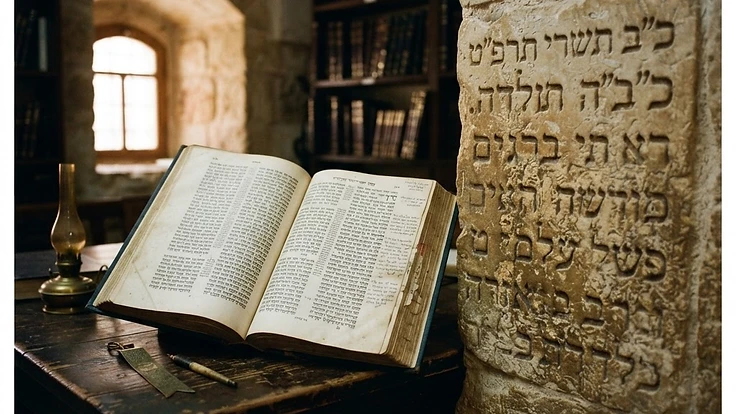
Explanation
Hebrew revival was driven by cultural activists and educators who adapted an ancient liturgical language to modern use, coining new vocabulary for science, technology and administration.
Origin & History
Hebrew was revived as a spoken language from the late 19th century, culminating in its adoption as an official language of the State of Israel.
Why It Matters
It is a unique example of a sacred literary language becoming the everyday language of a modern state.
Living Practice Today
Hebrew is the daily language of millions and continues to develop new terminology across science and technology.
Academy of the Hebrew Language; Israel Central Bureau of Statistics.