Guaraní
Guaraní is an indigenous language that has become a living national language of Paraguay, spoken widely across society and recognised as official alongside Spanish. Unlike many indigenous languages that survived only in marginalised communities, Guaraní became embedded across social groups, including people of mixed and non-indigenous ancestry. Its constitutional recognition gives it a formal place in national identity. The case challenges the assumption that nation-building always requires replacing indigenous languages, and shows that an indigenous language can become part of the shared culture of a modern state.
Explanation
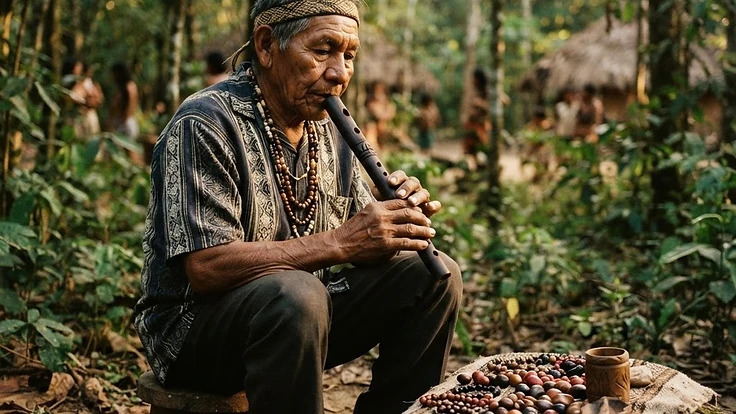
Guaraní is used in homes, schools, media and public life in Paraguay. Its official status is supported by language policy institutions and publishing.
Origin & History
Guaraní was spoken by indigenous peoples of the South American Atlantic region and became embedded in Paraguayan society through colonial-era history.
Why It Matters
Guaraní is a rare success case of an indigenous language becoming a national language of a modern state.
Living Practice Today
Guaraní is spoken by the majority of Paraguayans and used in education, media and government.
Secretaria de Politicas Linguisticas, Paraguay; UNESCO.