Rebetiko
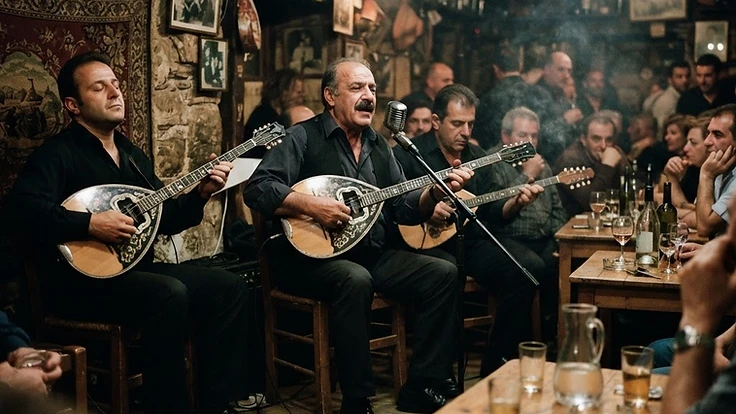
Rebetiko is a genre of urban Greek music that emerged in the early 20th century among marginalized social groups. It is characterized by its distinct instrumentation, including the bouzouki and baglamas, and its emotive lyrical themes.
Explanation
The music reflects the experiences of urban life, migration, and social struggle through a blend of Eastern and Western musical influences. Songs are typically performed in small ensembles and are often accompanied by improvised dance. The genre serves as a repository of collective memory and social history for the Greek people. It has evolved from a subculture practice into a widely recognized element of national musical heritage.
Origin & History
Rebetiko originated in the port cities of Greece, particularly among refugees and the working class in the 1920s. It was heavily influenced by the musical traditions brought by refugees from Asia Minor.
Why It Matters
It provides a profound insight into the social and cultural transformations of 20th-century Greece. The music remains a powerful medium for expressing human emotion and social commentary.
Living Practice Today
Rebetiko is performed in tavernas and concert halls across Greece, maintaining a vibrant presence in contemporary musical life. It is actively studied and preserved by musicians and cultural organizations dedicated to traditional music.
UNESCO Intangible Cultural Heritage Lists; Hellenic Ministry of Culture